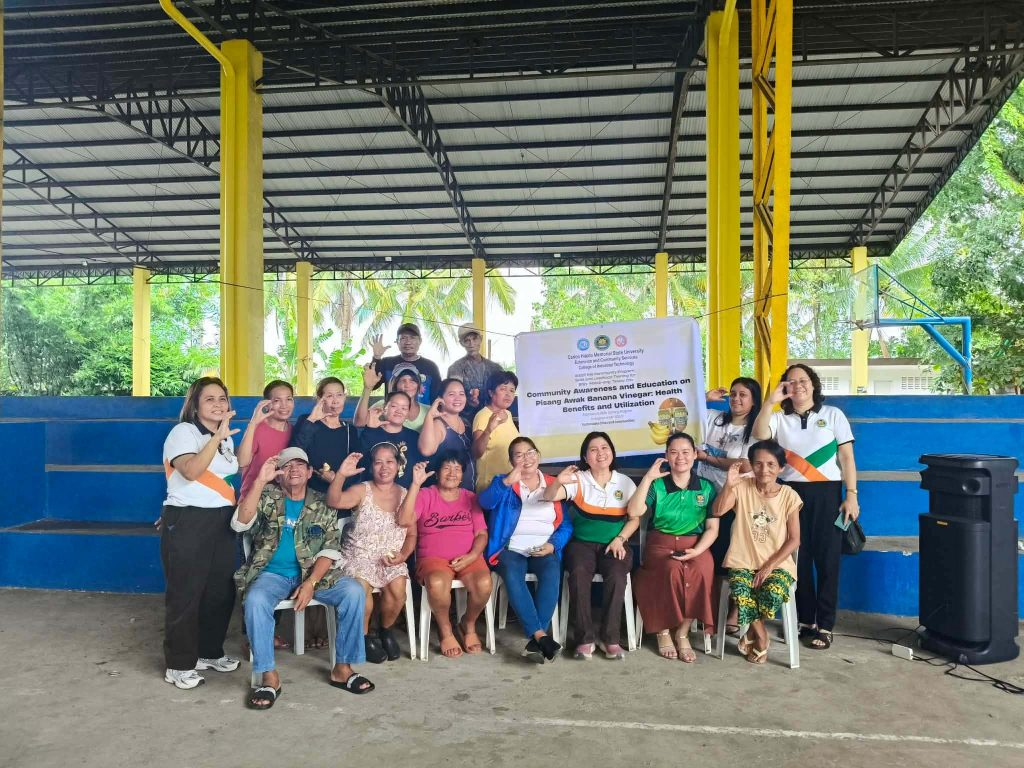
The College of Industrial Technology (CIT) of Carlos Hilado Memorial State University (CHMSU), through its Extension and Community Services (ECS) unit, formally launched its extension program in partnership with Barangay Matab-ang, Talisay City, last August 8, 2026.
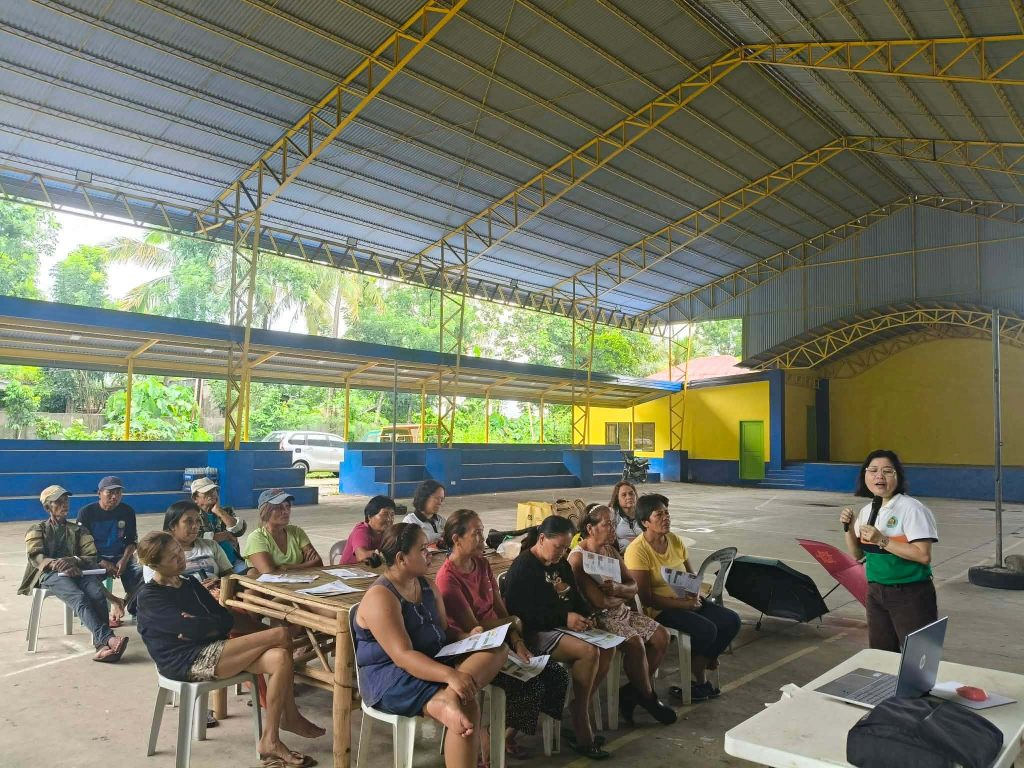
The launch of the extension program “Adopt the Community Program: Skills and Livelihood Training for Brgy. Matab-ang, Talisay City” brought together university officials, local government representatives, and community beneficiaries, marking the start of a collaborative initiative to equip residents with practical skills and livelihood training that promote self-sufficiency and open up economic opportunities within the community.
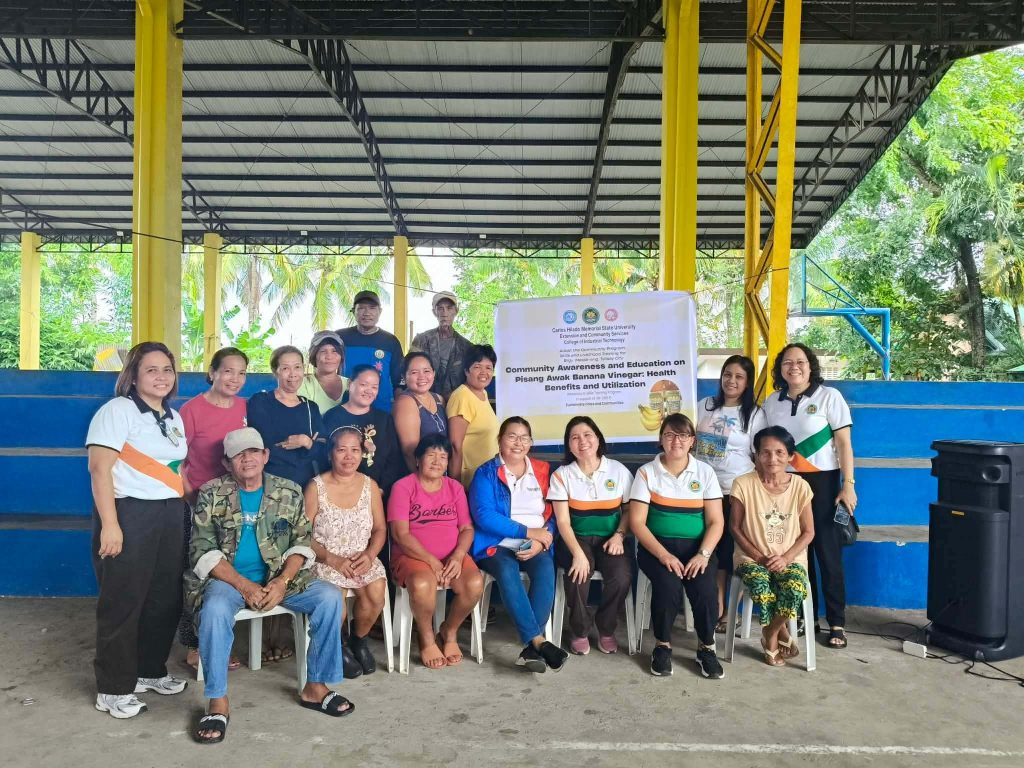
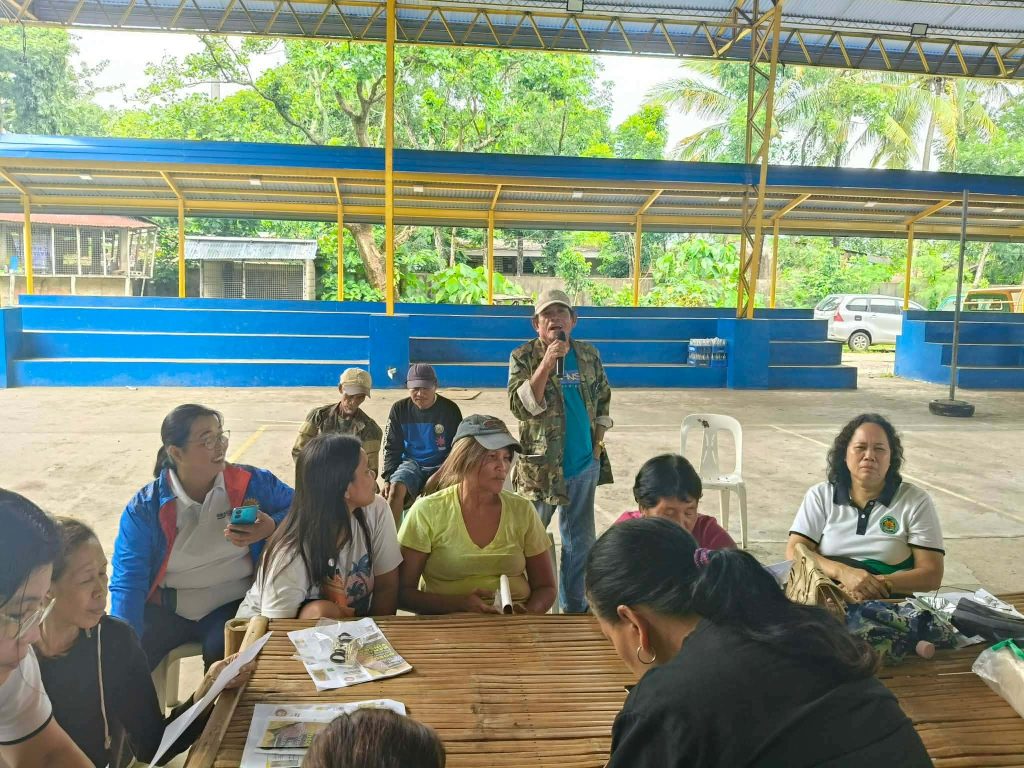
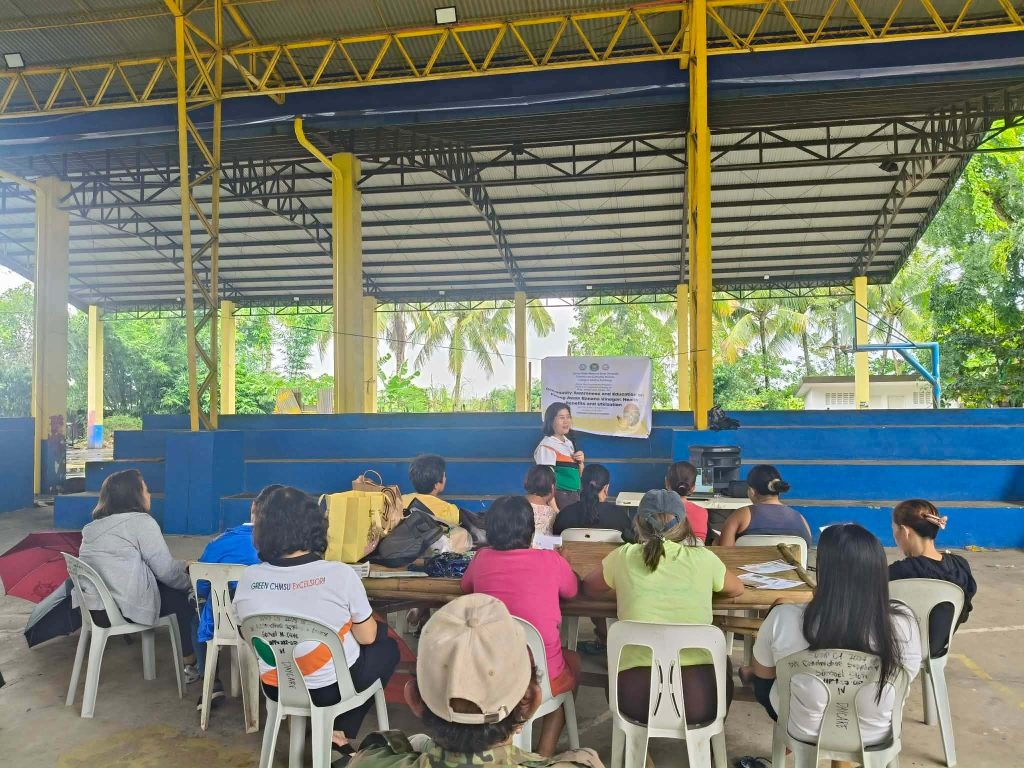
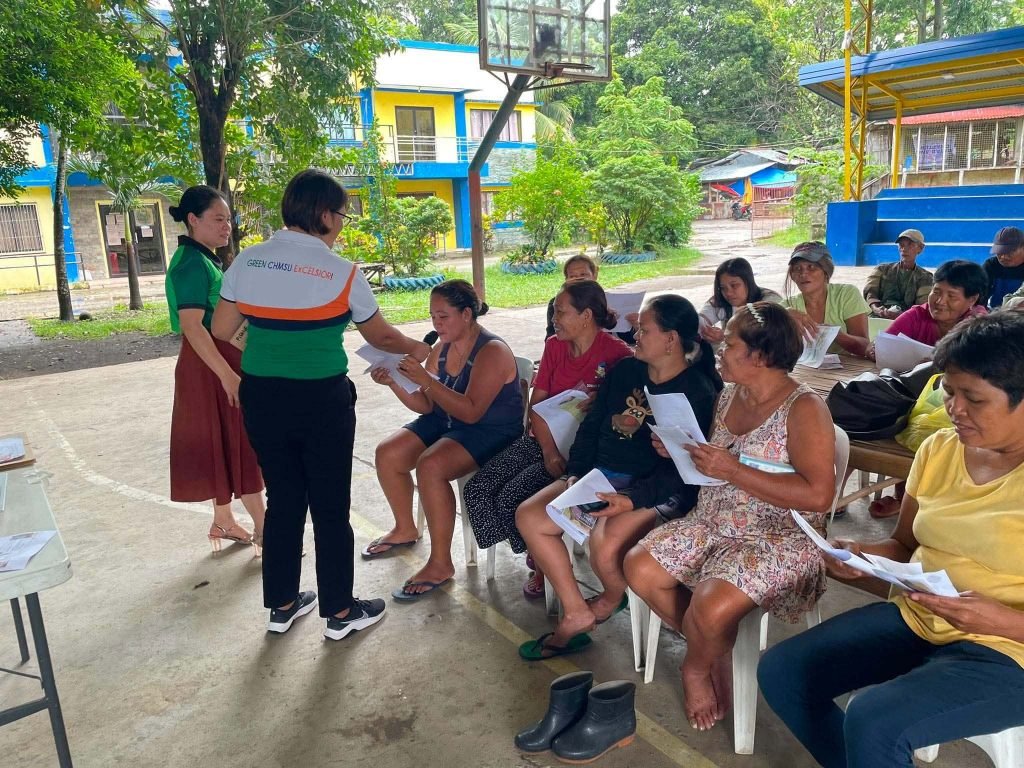
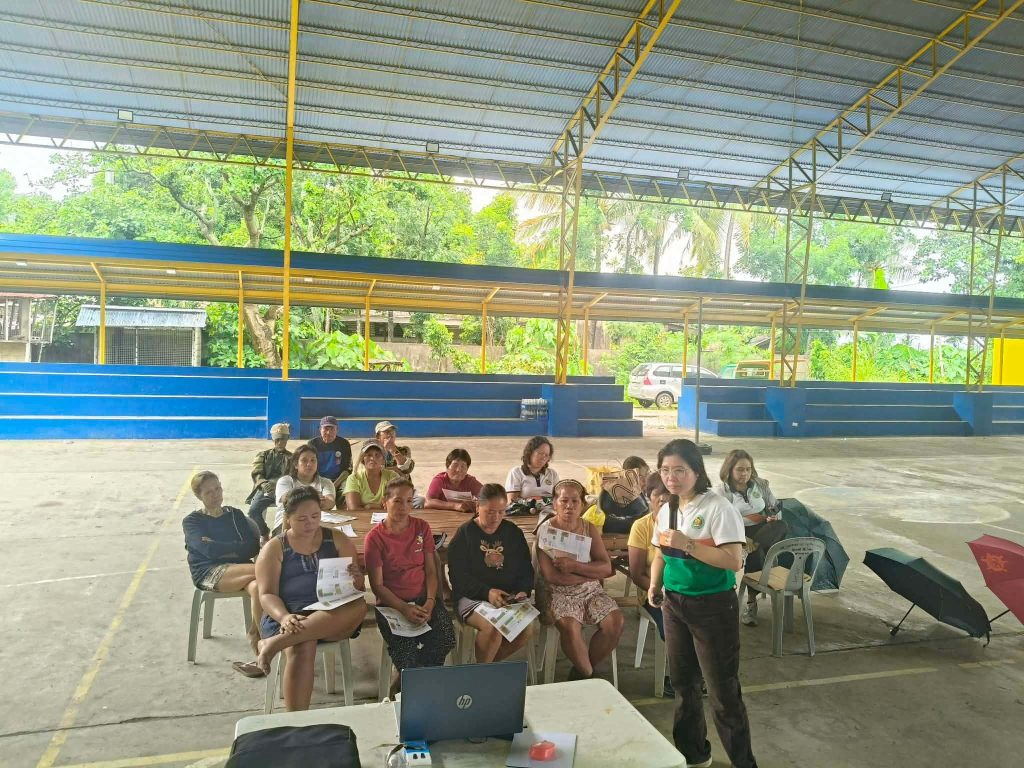
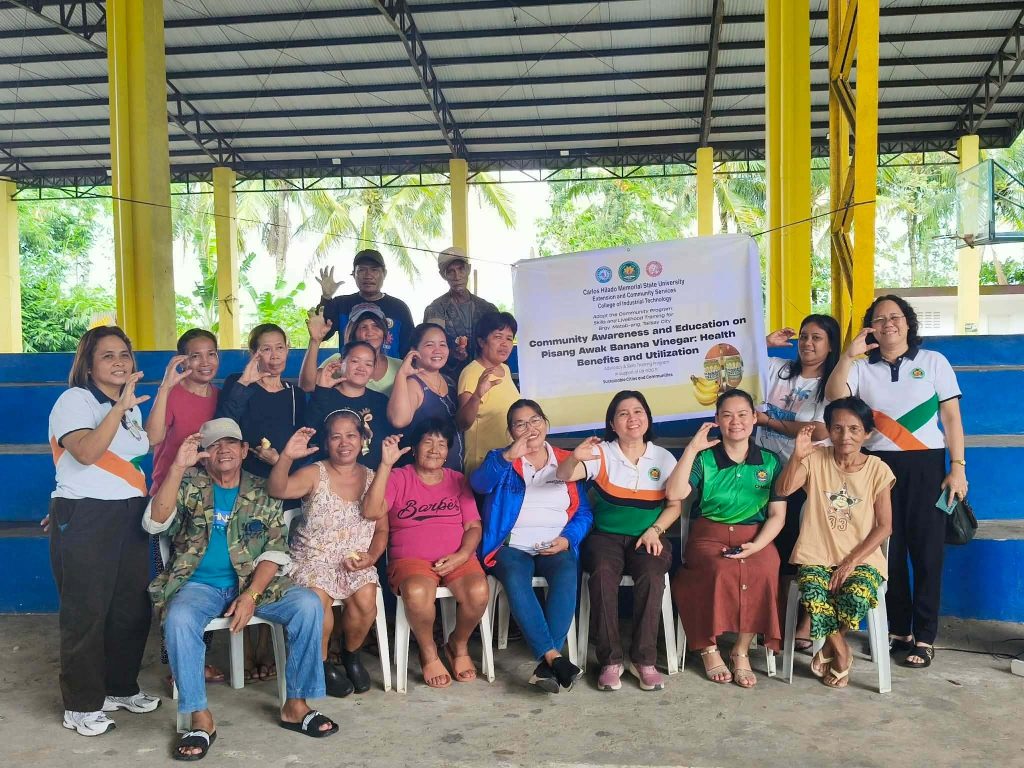
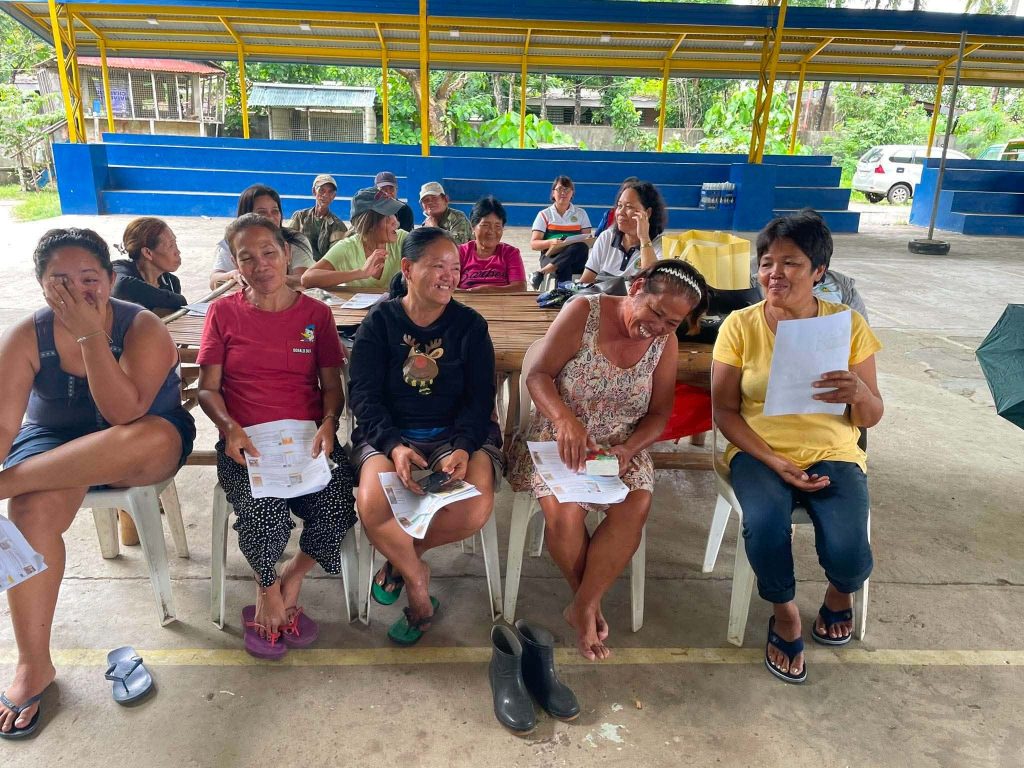
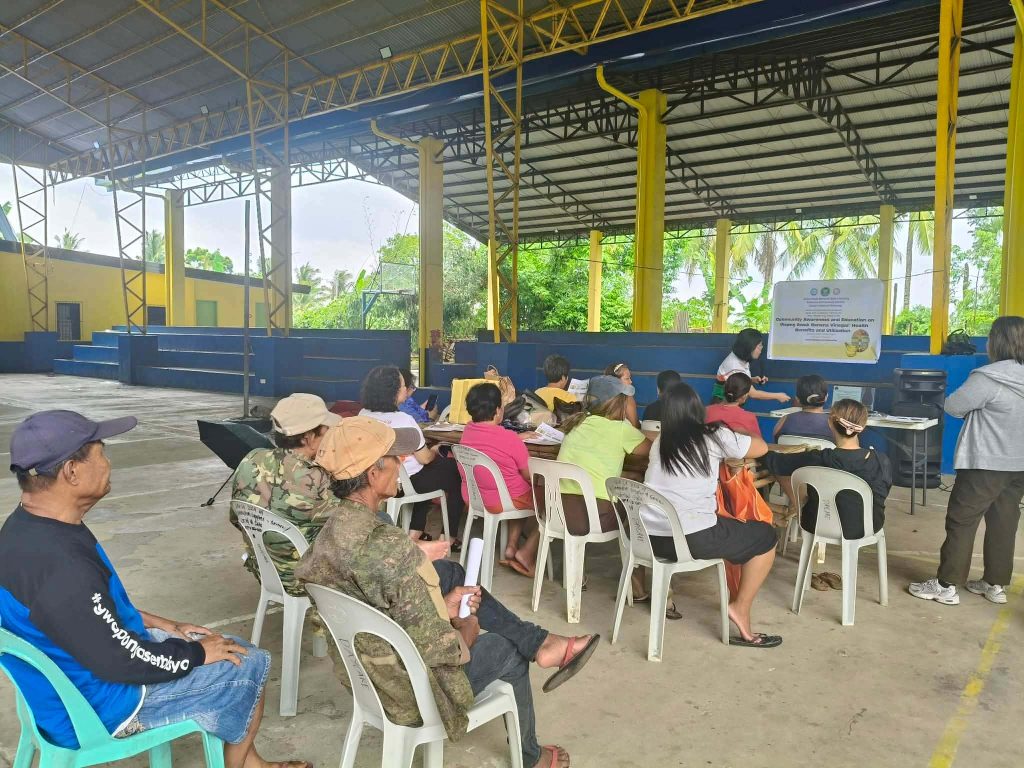
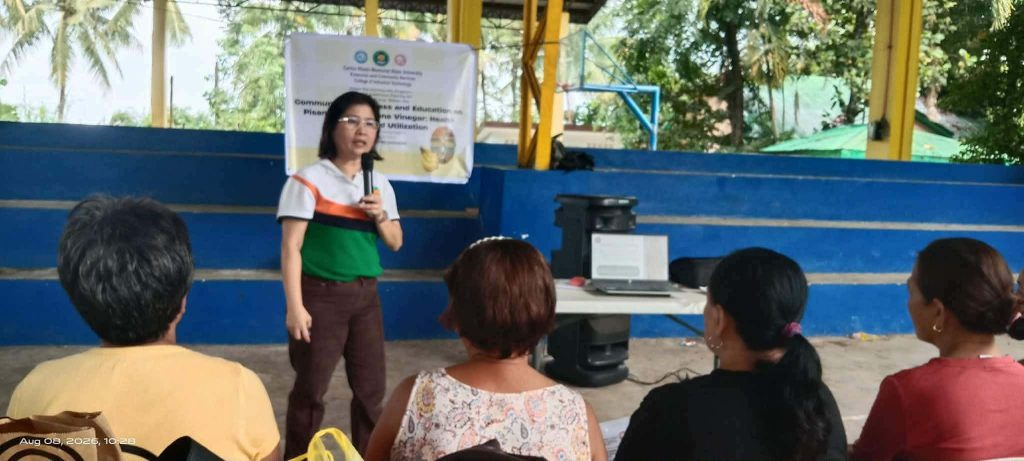
CIT / Rachel Badiana photos
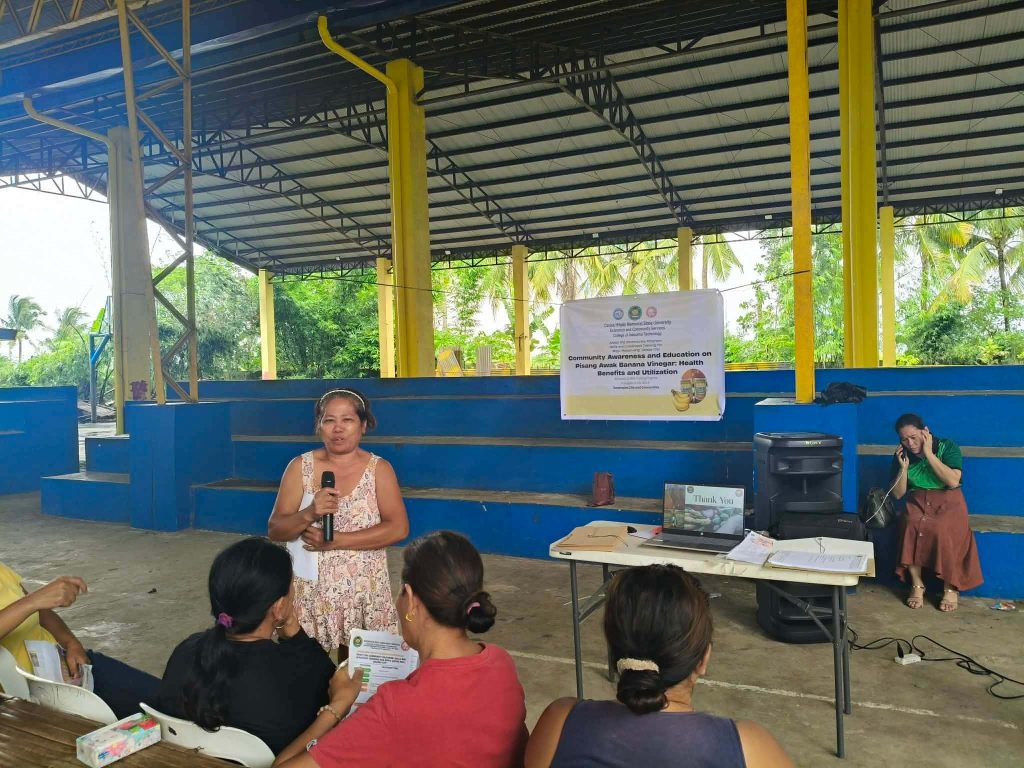
The launch featured welcome remarks from Engr. Gladys Cepeda, Project Leader, who set the tone for the day’s activities.
The collaboration was made possible through the support of Punong Barangay Manuel Apellido Jr. and CIT Dean Angelie Lopez, reaffirming the university’s commitment to extension work that directly benefits partner communities.
Program Leader Jonah Tarrosa presented the rationale of the project, outlining its objectives and the intended impact of the skills and livelihood training on the residents of Brgy. Matab-ang.
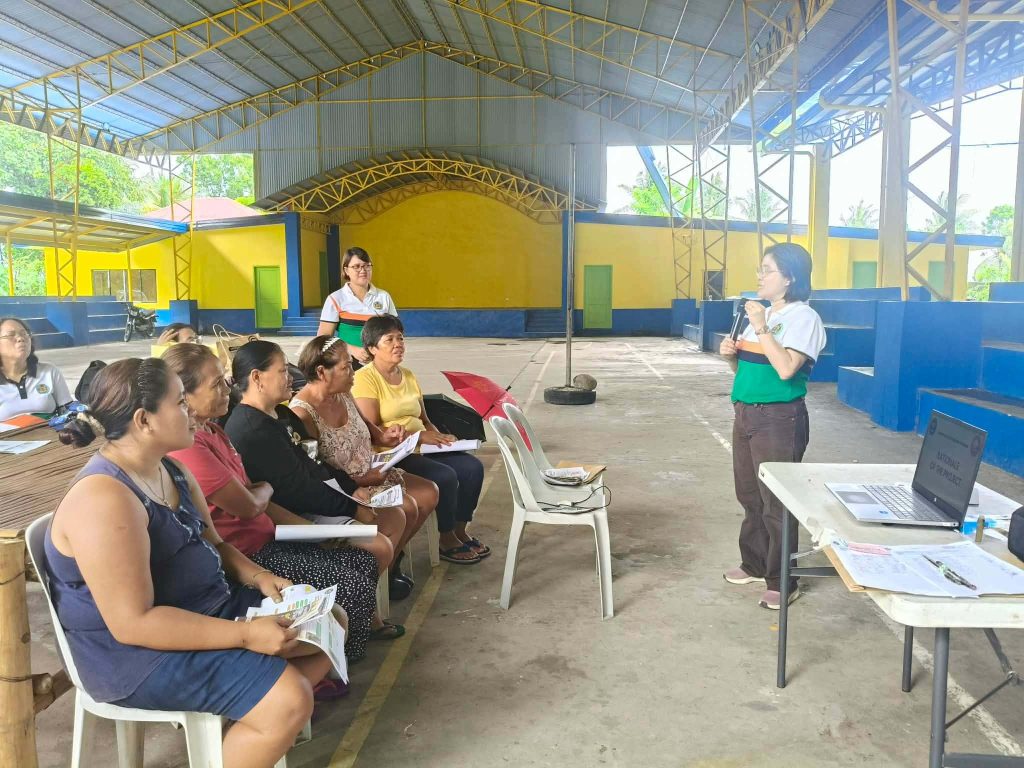
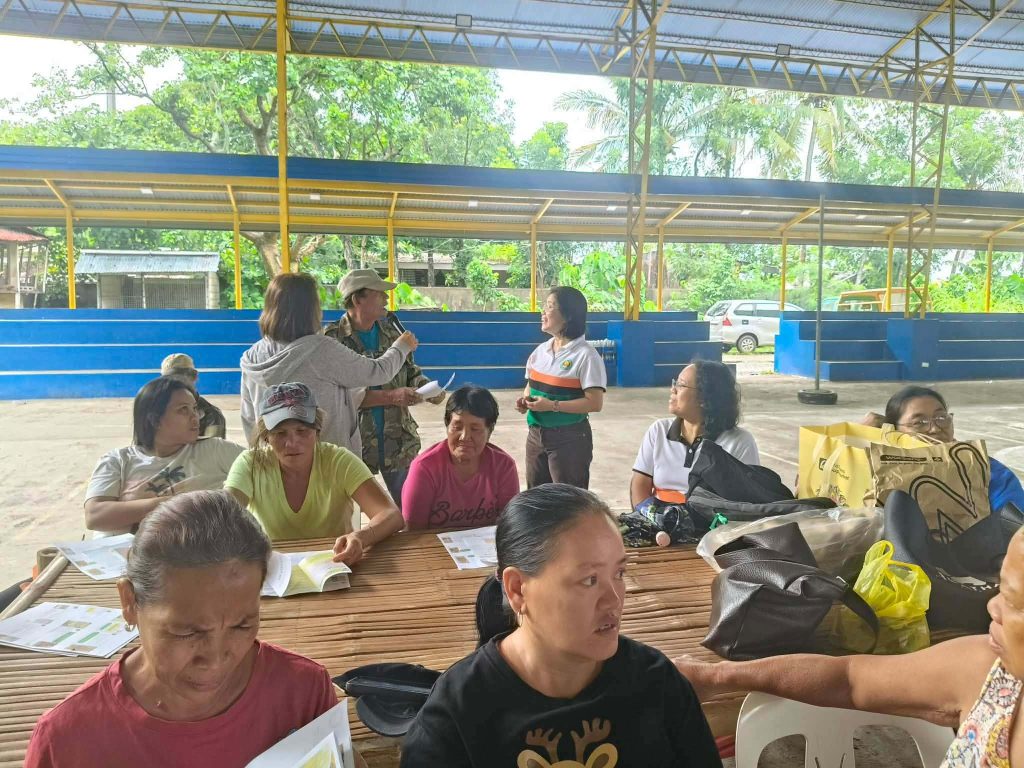
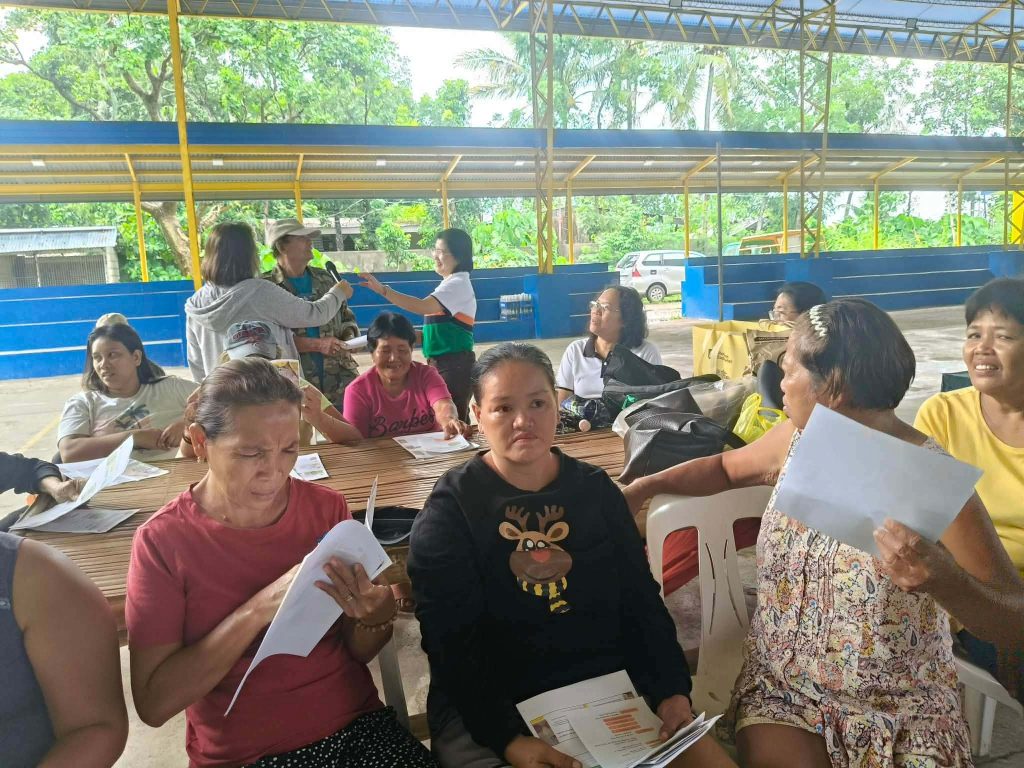
In the afternoon, participants took part in the seminar proper, where beneficiaries engaged in the skills and livelihood training sessions central to the program. The event also included a response from the beneficiaries, giving community members the opportunity to share their reflections and expectations from the program.
The activity concluded with closing remarks from CIT Extension Coordinator Rachel Badiana.
The CIT Extension Program is part of CHMSU’s continuing commitment to community engagement and inclusive development, extending the college’s technical expertise beyond the classroom to uplift partner communities through relevant, hands-on training. Through this initiative, the College of Industrial Technology aims to empower the residents of Brgy. Matab-ang with skills that can generate sustainable livelihood opportunities and contribute to the community’s long-term growth.