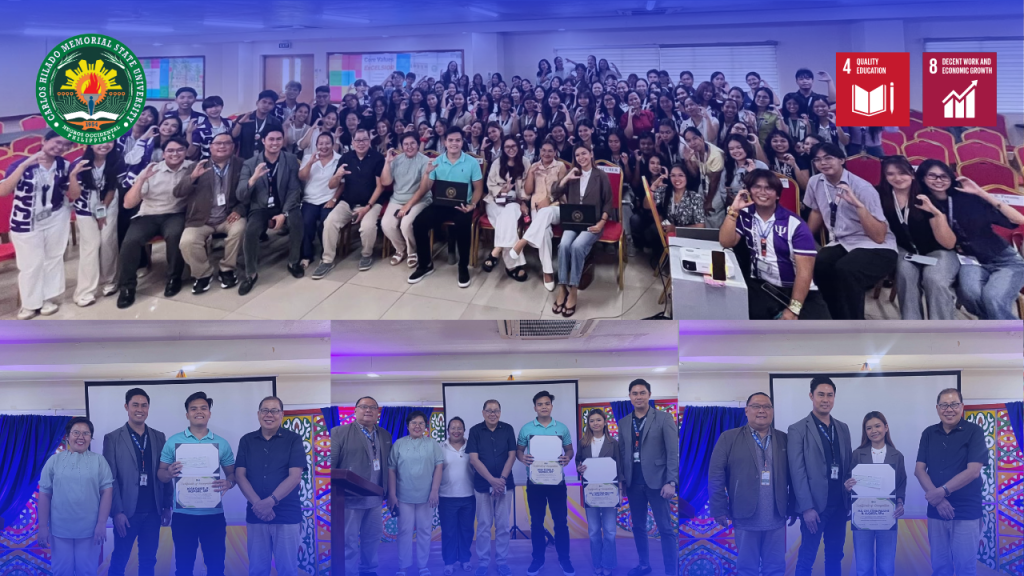
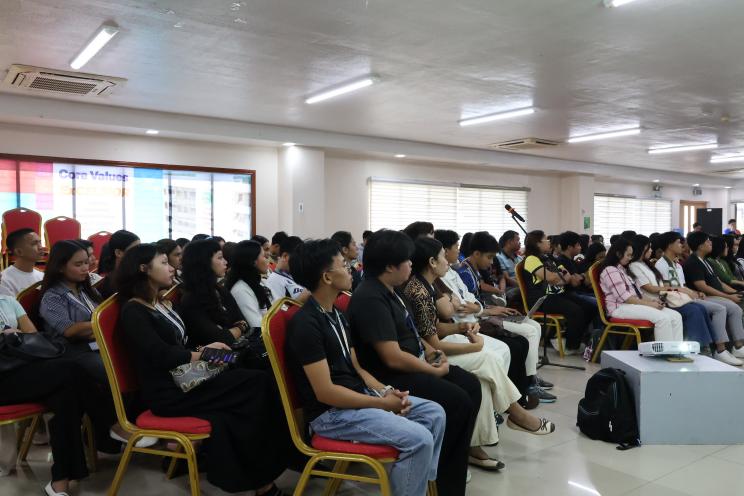
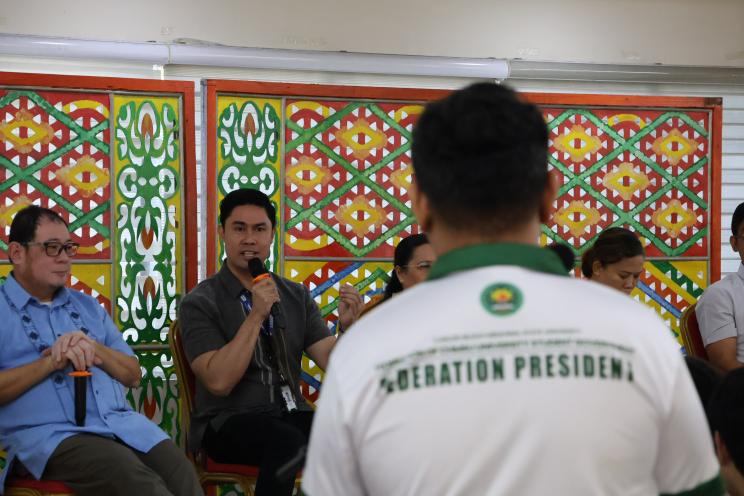
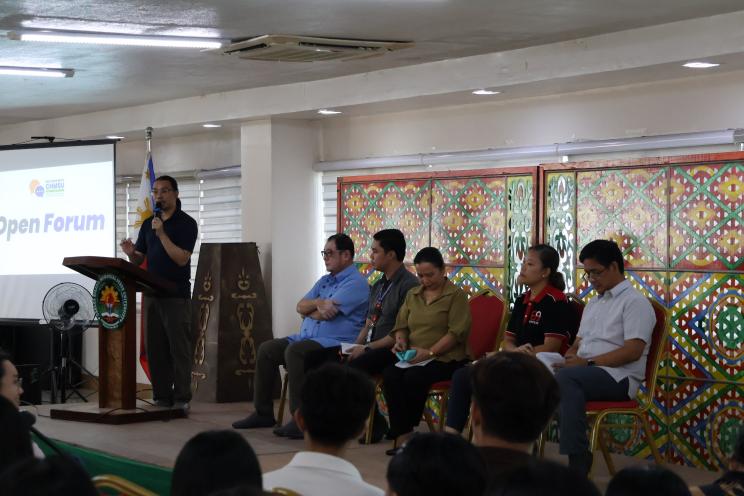
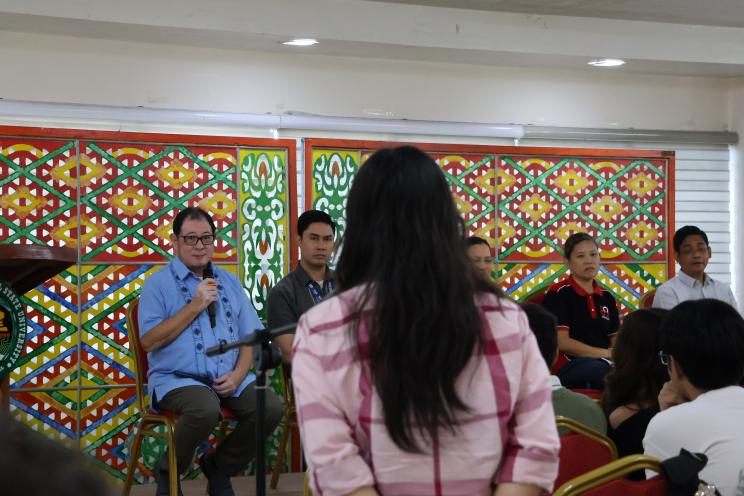
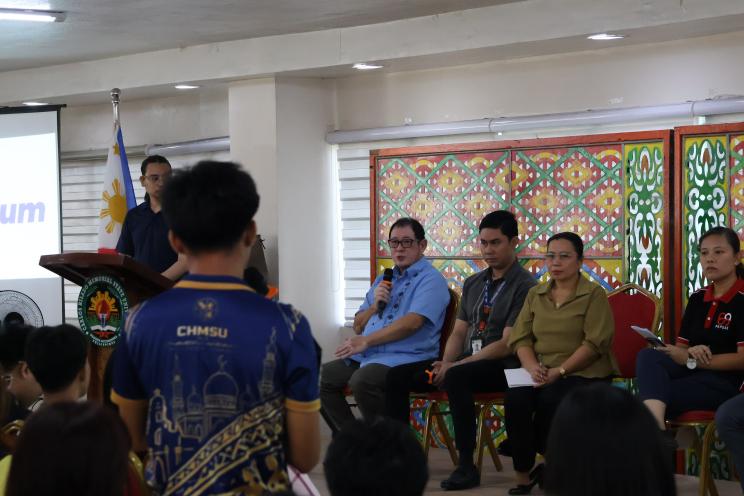
Student leaders and university officials met on November 18, 2026, at the Function Hall of the Talisay Campus to discuss concerns and find common ground on the university’s heat index advisory.
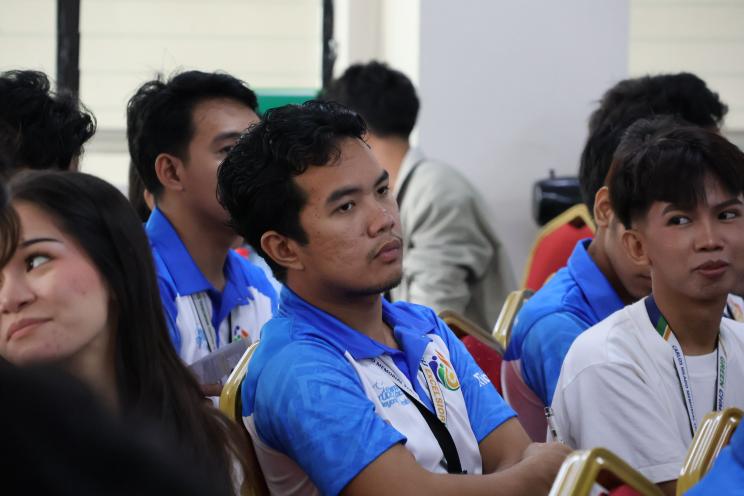
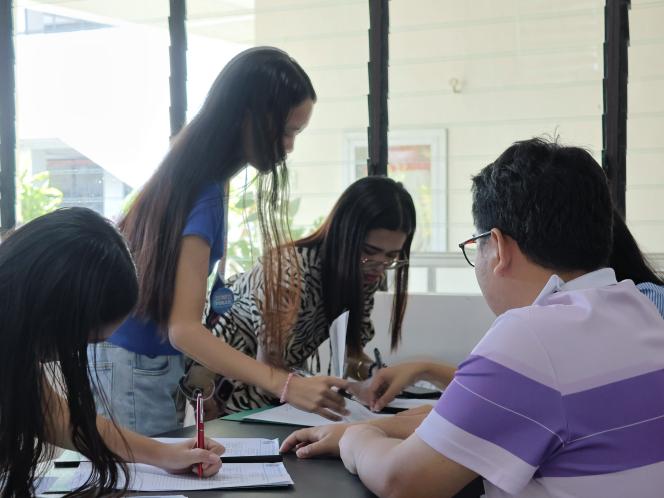
Titled “Dialogue with CHMSU Student Leaders: Addressing Student Concerns Regarding the Recent University Advisory on Heat Index,” the activity gave University Student Government, college councils, and student organization officers from all four campuses a venue to raise their issues directly with university officials and to hear the administration’s response.
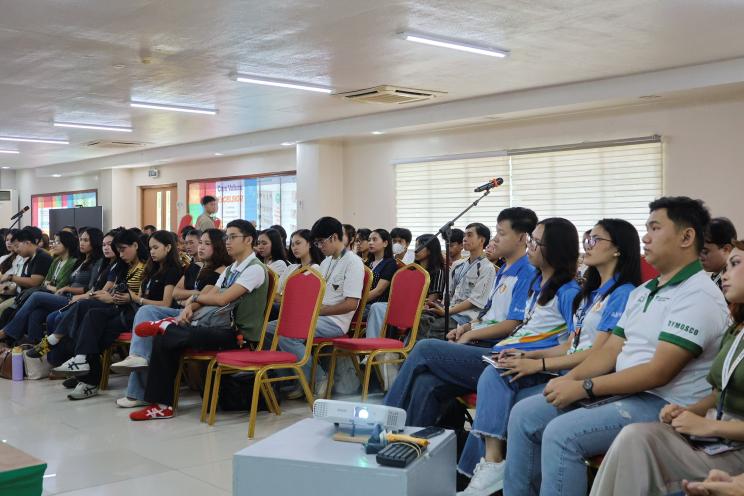
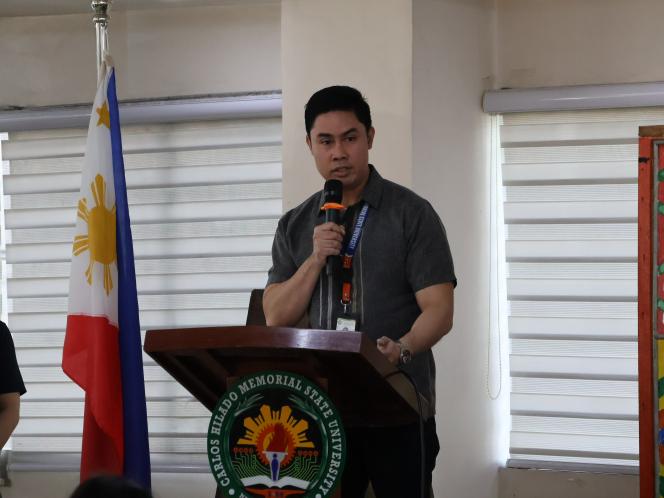
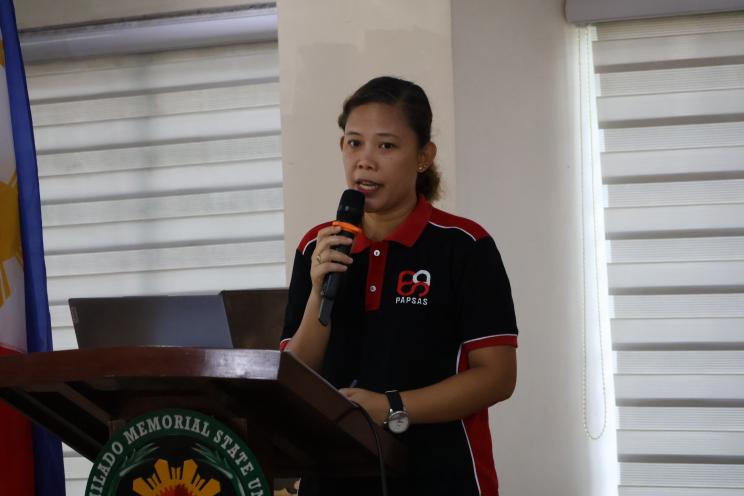
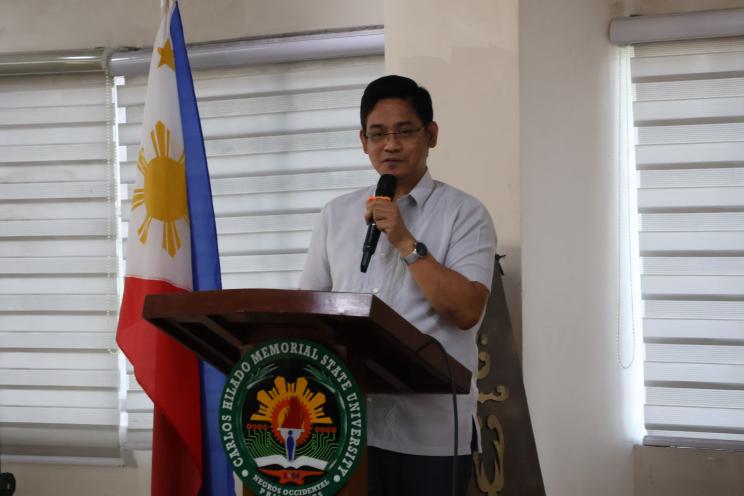
CIER / John Carlo Visca photos
In his welcome remarks, OIC-Vice President for Academic Affairs Arjay Alvarado thanked the participants and urged them to share their experiences with the advisory and in the effects of the extreme heat.
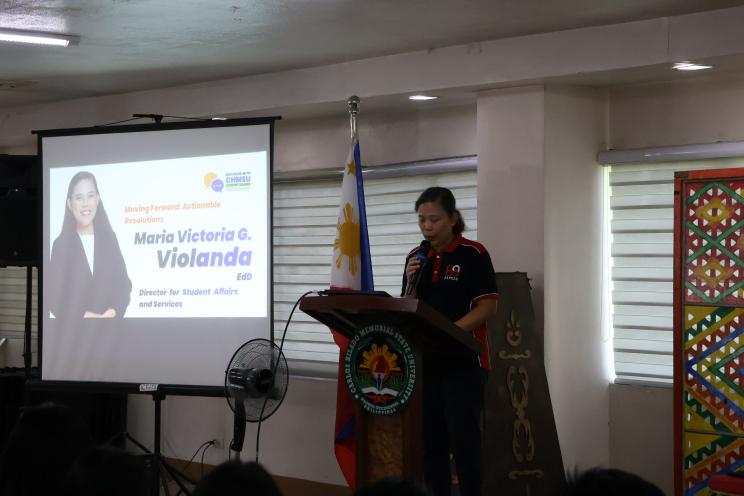
Director for Student Affairs and Services Maria Victoria Violanda acknowledged and validated the sentiments expressed by the student body. She stressed the importance of bringing these matters through proper channels so they can be addressed appropriately.
Among the concerns raised were the university’s decision to continue face-to-face classes despite the heat index advisory issued by the Negros Occidental Operations Center and PAGASA-DOST, and the adequacy of ventilation and cooling systems across all campuses.
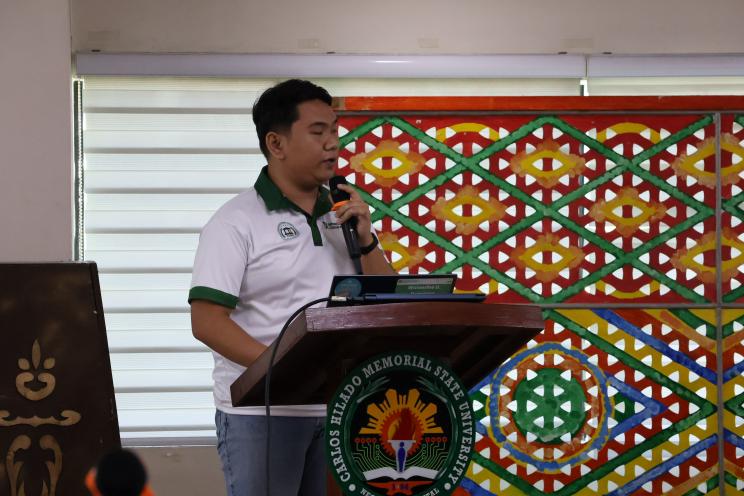
Engr. Russel Dela Torre, OIC-Vice President for Administration and Finance, then presented the university’s institutional response, covering immediate and long-term actions. These included improving hydration facilities and providing spaces where students can stay between classes.
He also reported on the procurement of electric fans and cooling machines, as well as the updated facilities survey conducted by the General Services Unit and the Physical Plant Development and Management Office.
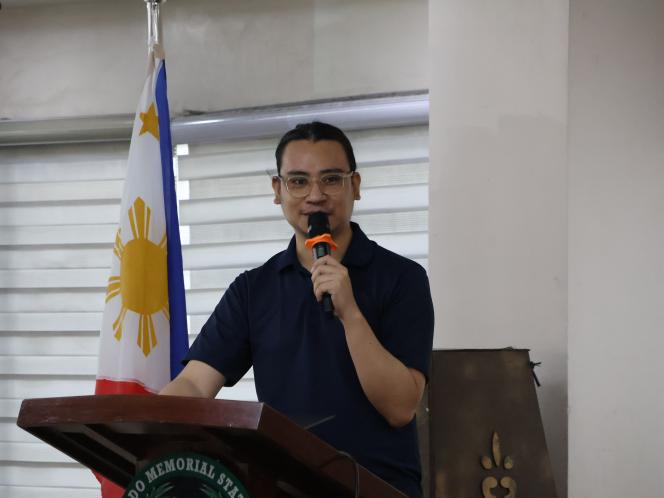
CIER / John Carlo Visca photos
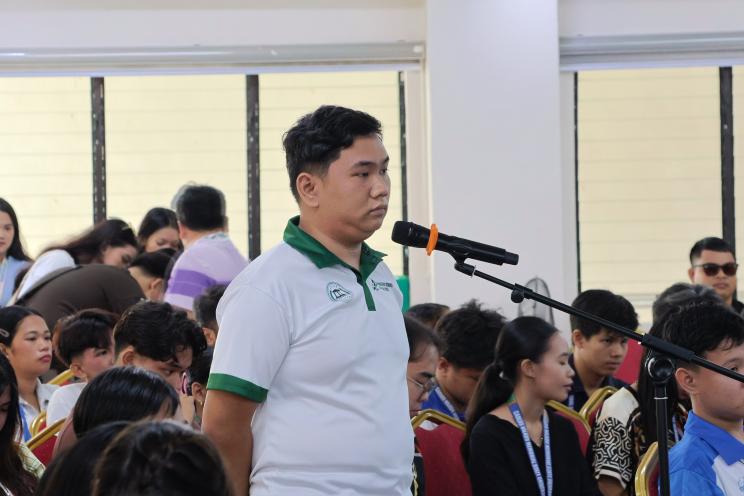
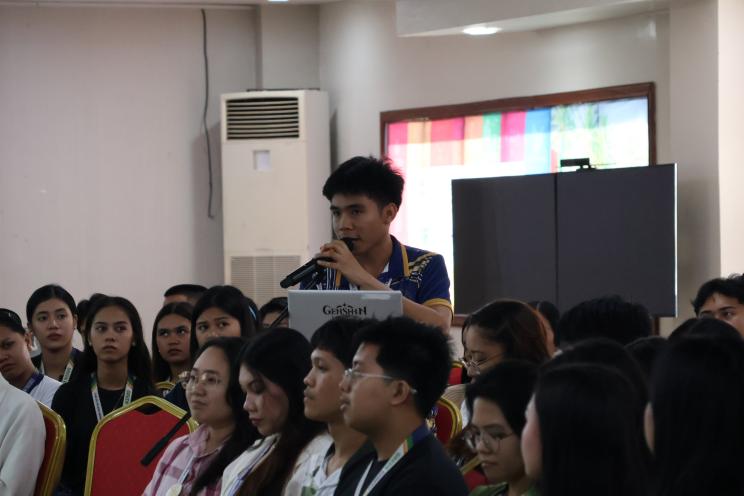
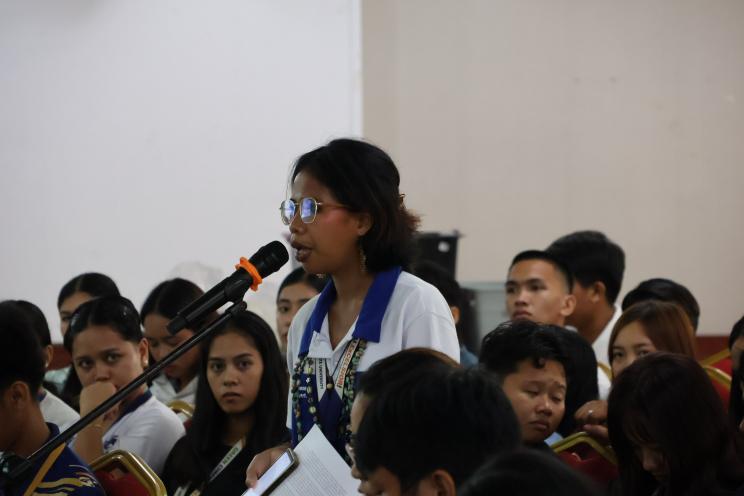
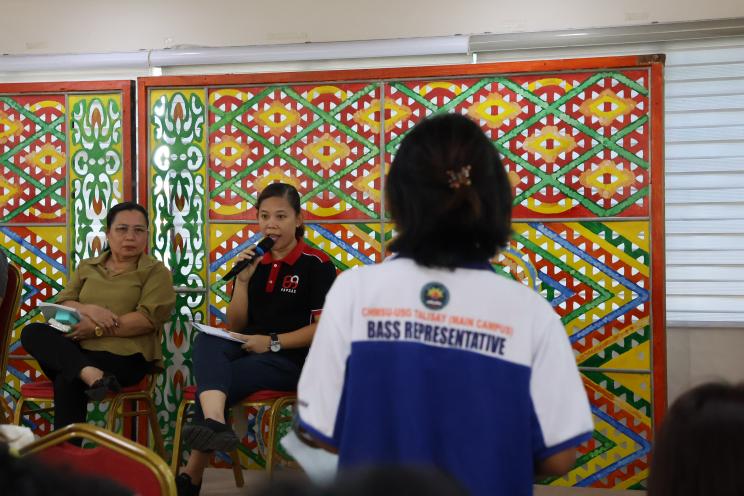
During the open forum, the student leaders raised questions and suggested solutions. They asked whether there is a threshold and basis for shifting to online synchronous and flexible learning modalities.
They also pointed to classroom ventilation, the availability of drinking water facilities, and the concerns on the relaxation of the dress code and appropriate student attire.
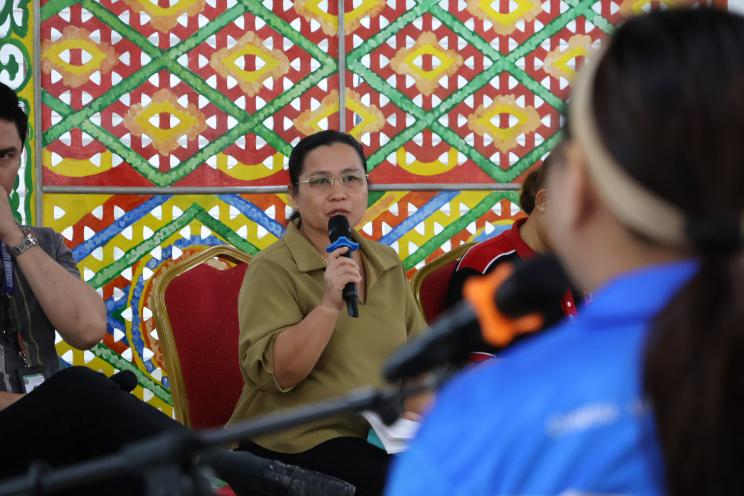
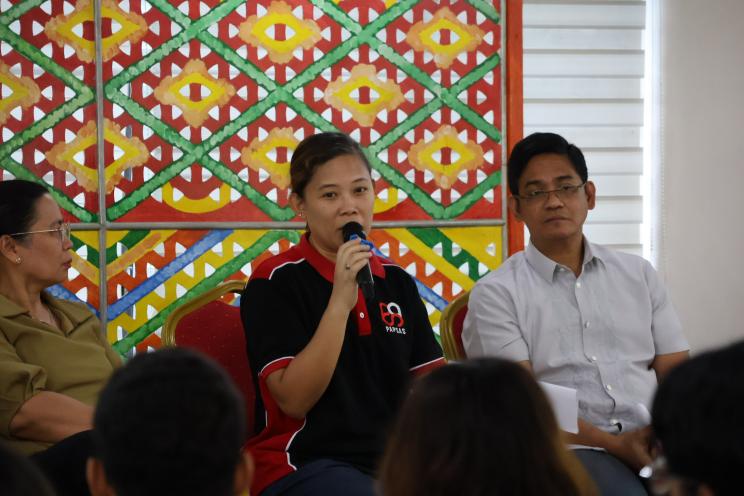
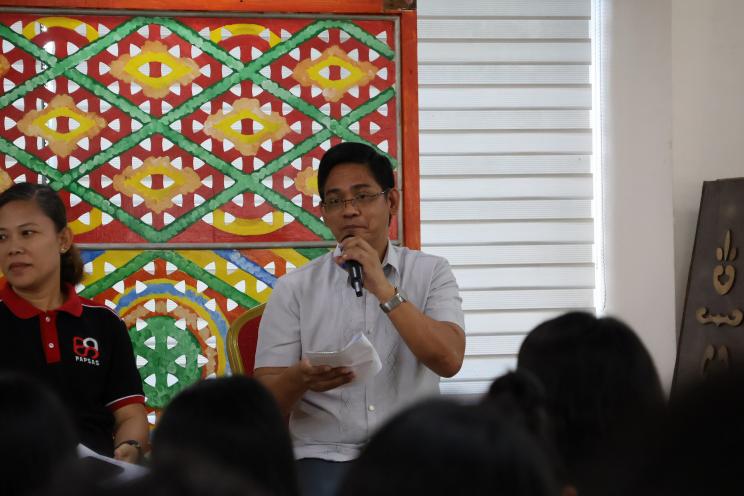
VPAA Alvarado, VPAF Dela Torre, Director Violanda, Assistant VPAA Noralyn Esona, and Director Rhoderick Samonte of the Center for Internationalization and External Relations (CIER) responded to the points raised.
They also clarified and reiterated existing policies, including the dress code in the revised Student Handbook, and updated the students on the procurement status of equipment that addresses the needs raised in earlier consultative meetings.
The panel also underscored the importance of finding the balance between providing quality education while ensuring the well-being of the students, faculty, and staff.
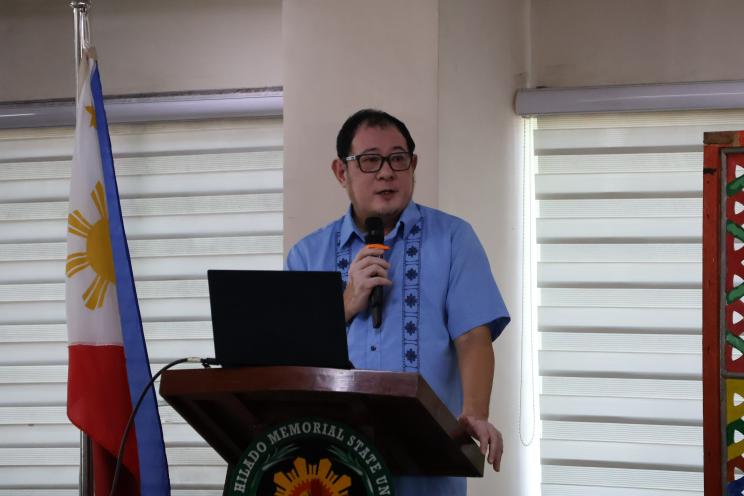
After the forum, Director Samonte delivered key reflections on ethical advocacy and digital responsibility. He underscored the importance of institutional decisions grounded in data, facts, and careful consideration, and discussed navigating forecast nuances alongside local and campus realities, including the limitations, challenges, and recommendations of PAGASA-DOST forecasts.
He also cited Executive Order No. 130, series of 2026, signed by President Ferdinand Marcos Jr. on October 28, 2026, which establishes a standardized framework for suspending and resuming classes and onsite work during environmental and weather hazards, in place of blanket nationwide cancellations.
University officials noted during the forum that the implementing rules and regulations covering higher education institutions have yet to be released.
Samonte also discussed distinguishing policy criticism from personal value attacks and upholding the responsibility of student leaders in digital spaces.
Violanda then presented the actionable resolutions moving forward. She urged the Federation of CHMSU University Student Governments (FCUSG) to take an active role in providing a platform for its constituents’ voices and to form a monitoring mechanism to track the progress of the administration’s solutions and actions.
Student Regent Wolverine Dymosco, FCUSG President, delivered the closing response on behalf of the student body. Presenting the responses from each campus, he acknowledged the reason behind the university’s earlier advisory.
He added that while students understand it, they also ask the university to consider the issues on facilities, flexible learning, and well-being raised during the dialogue and in the students’ separate discussions and survey.
Dymosco assured his constituents that he is doing his best to relay their appeals to the Board of Regents.
He then called for more support from the USGs, college councils, and student organizations in gathering feedback, recommendations, and reports backed by data and facts, which will be used in the student body’s position to be communicated to the university administration.
Moving forward, the university administration acknowledged where campus facilities fell short and took responsibility for addressing them. It also committed to continued transparency, to improving the timeliness of data-backed student advisories, and to keeping administrative doors open for consultation.