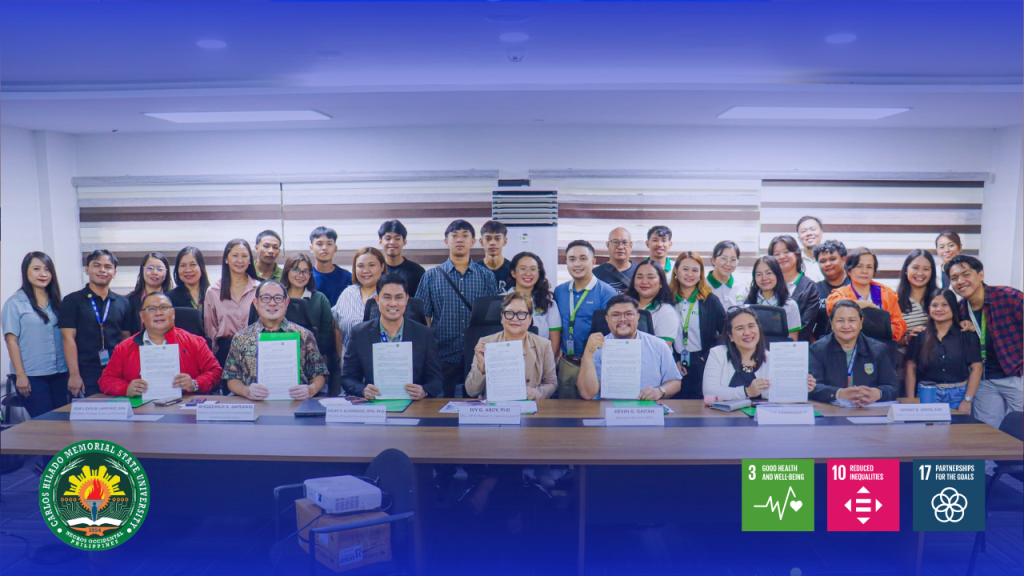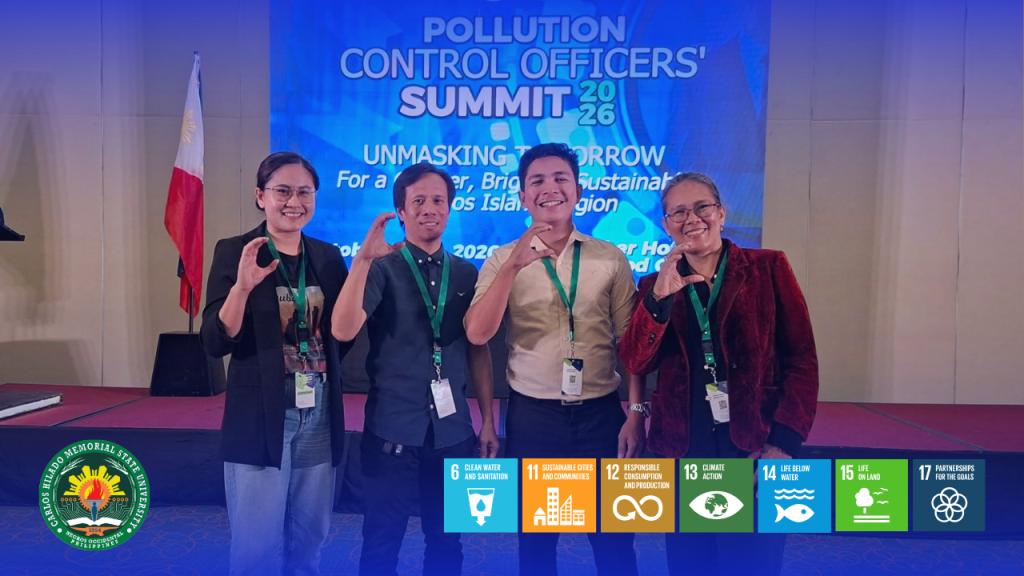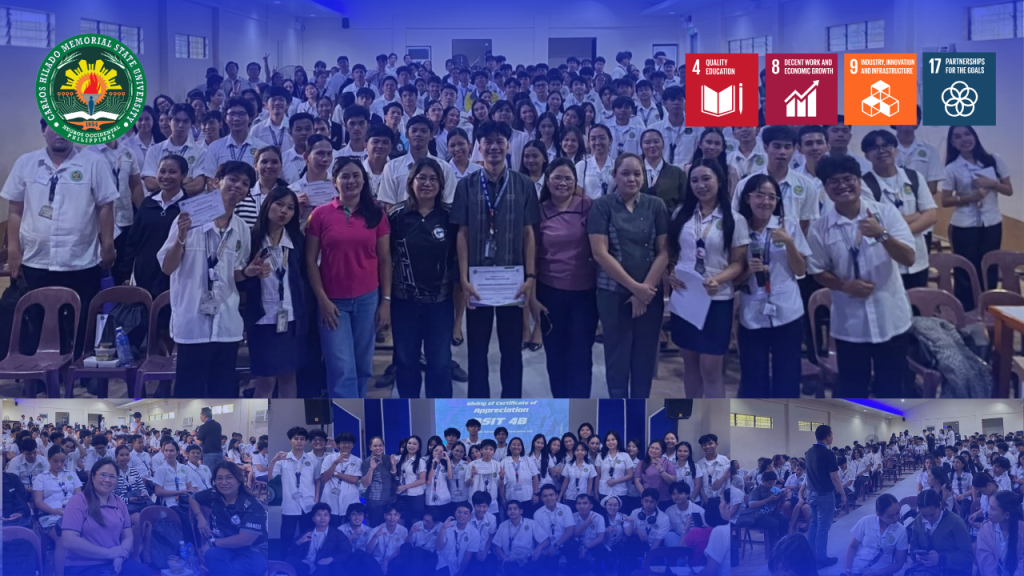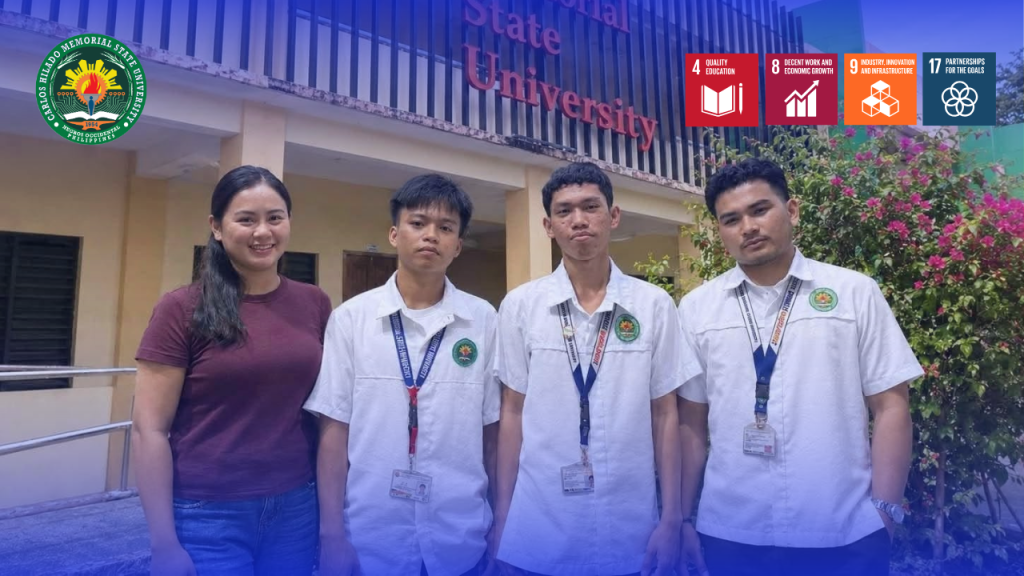
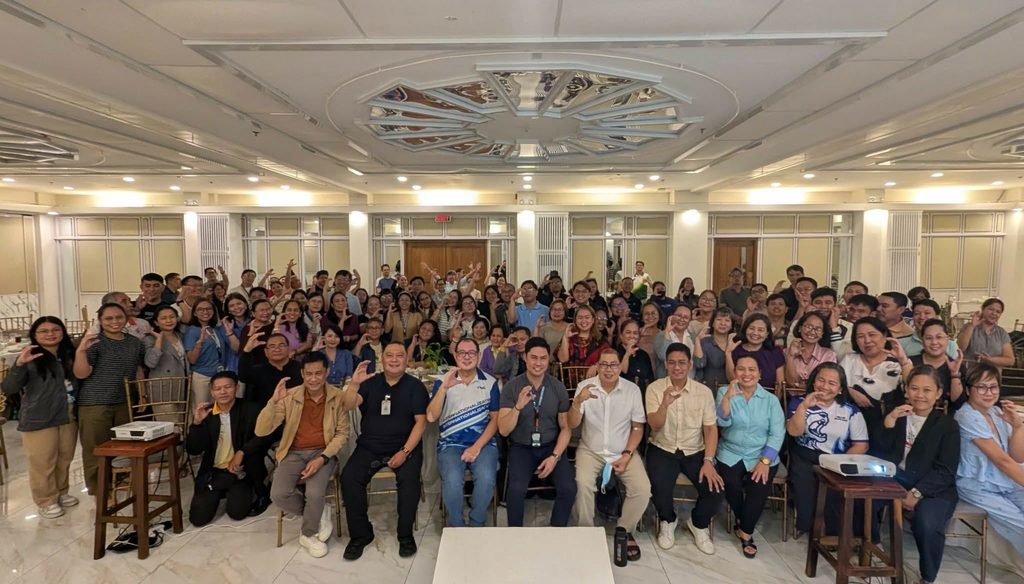
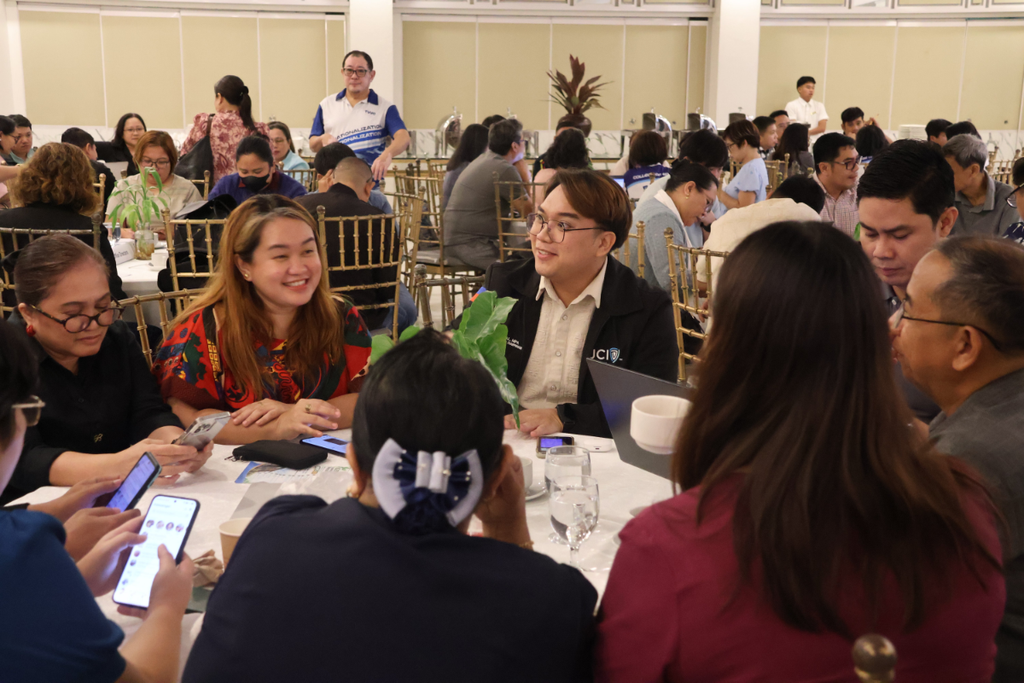
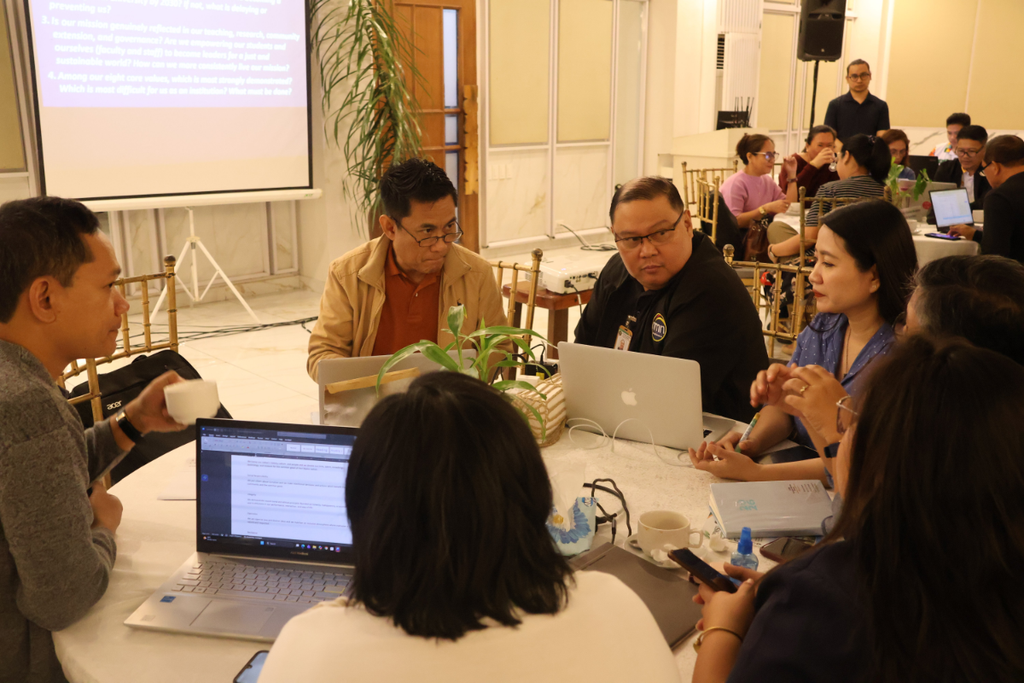
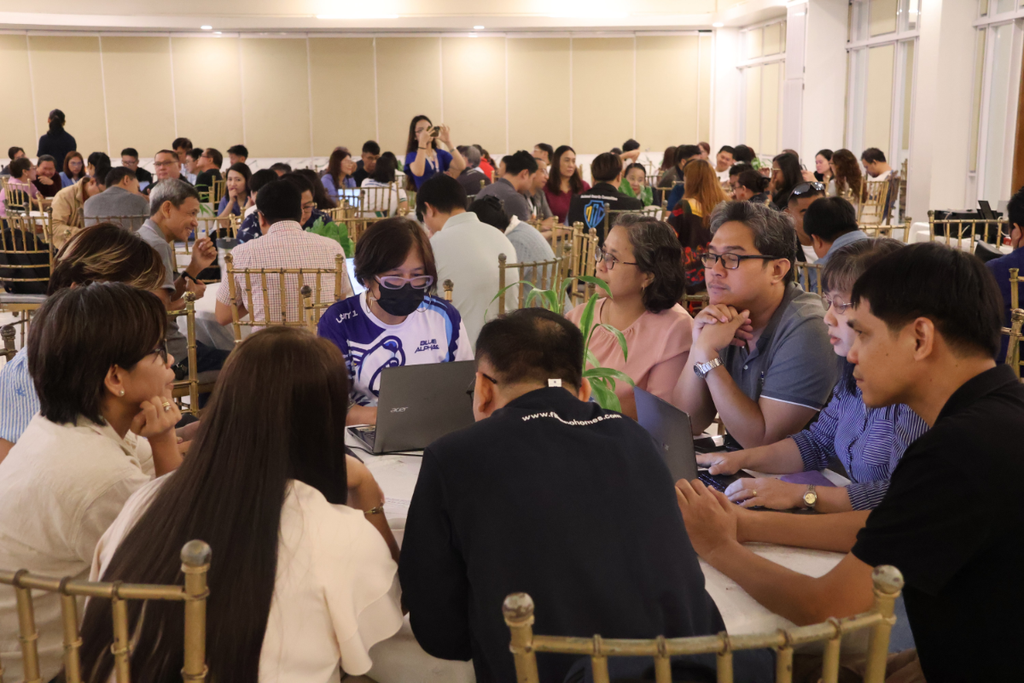
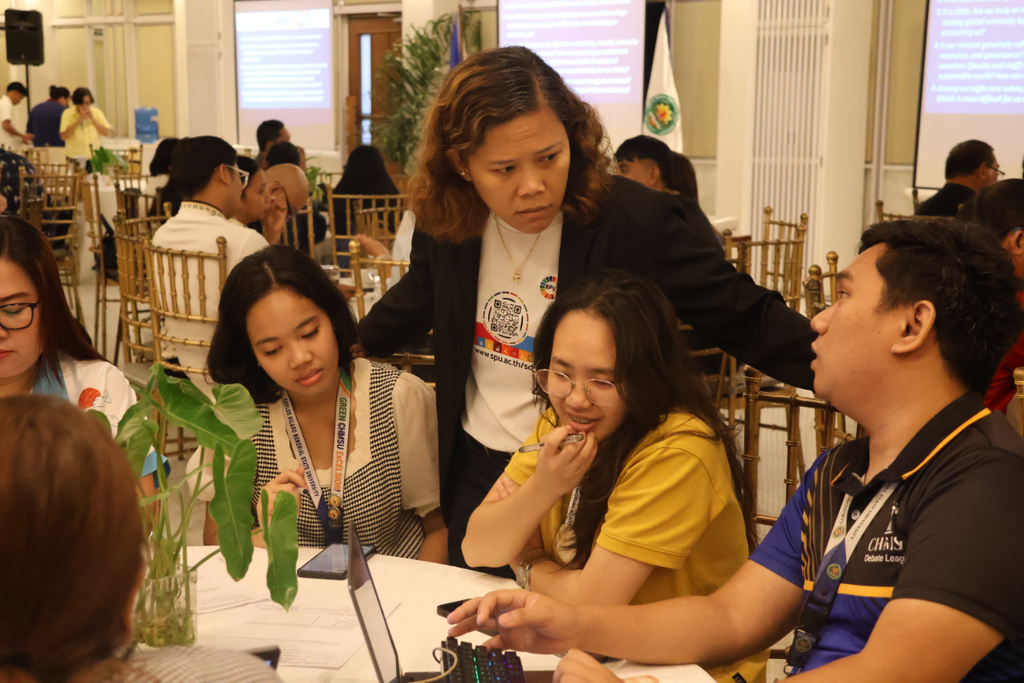
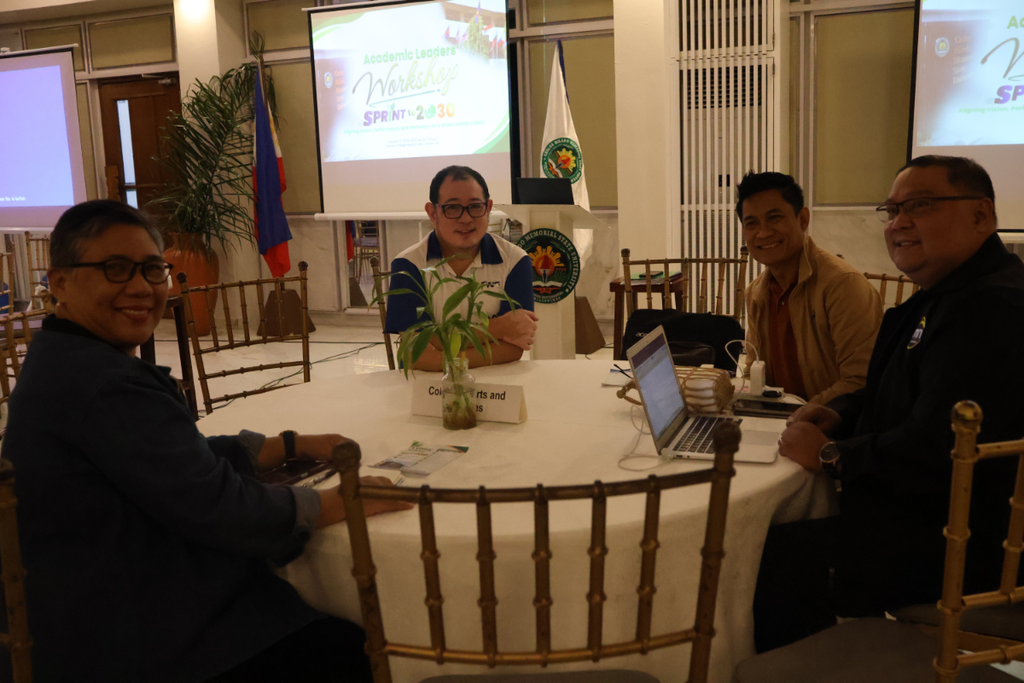
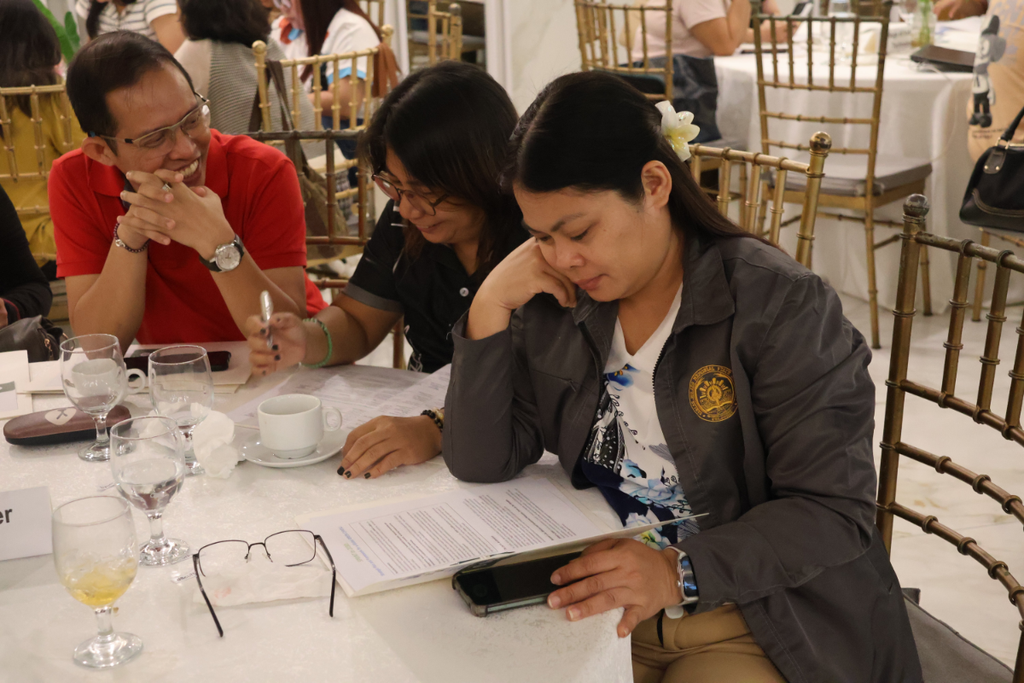
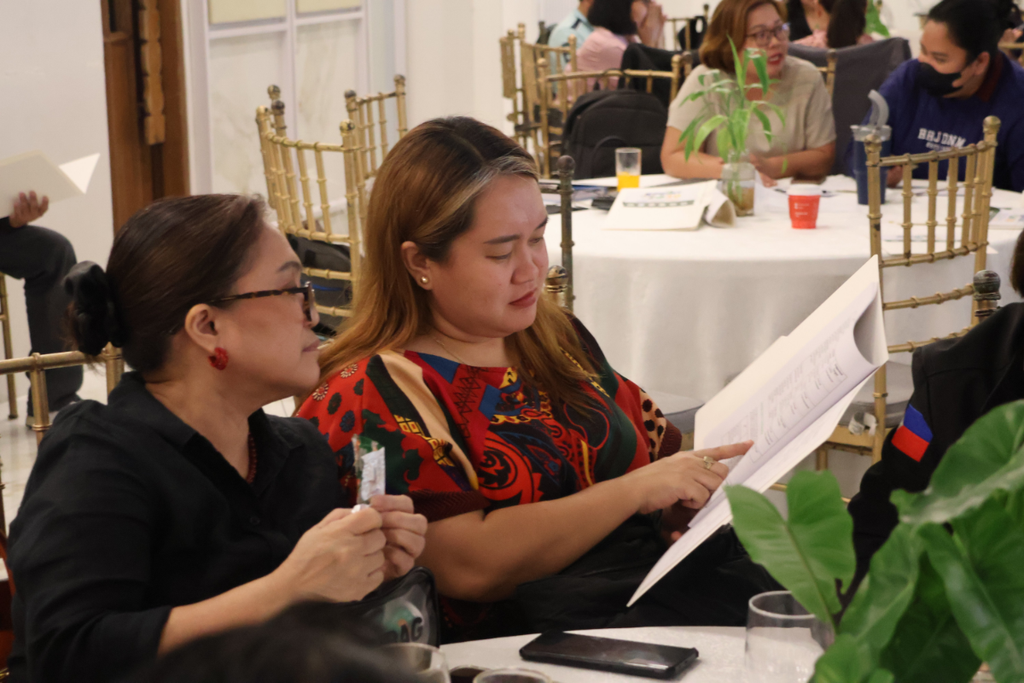
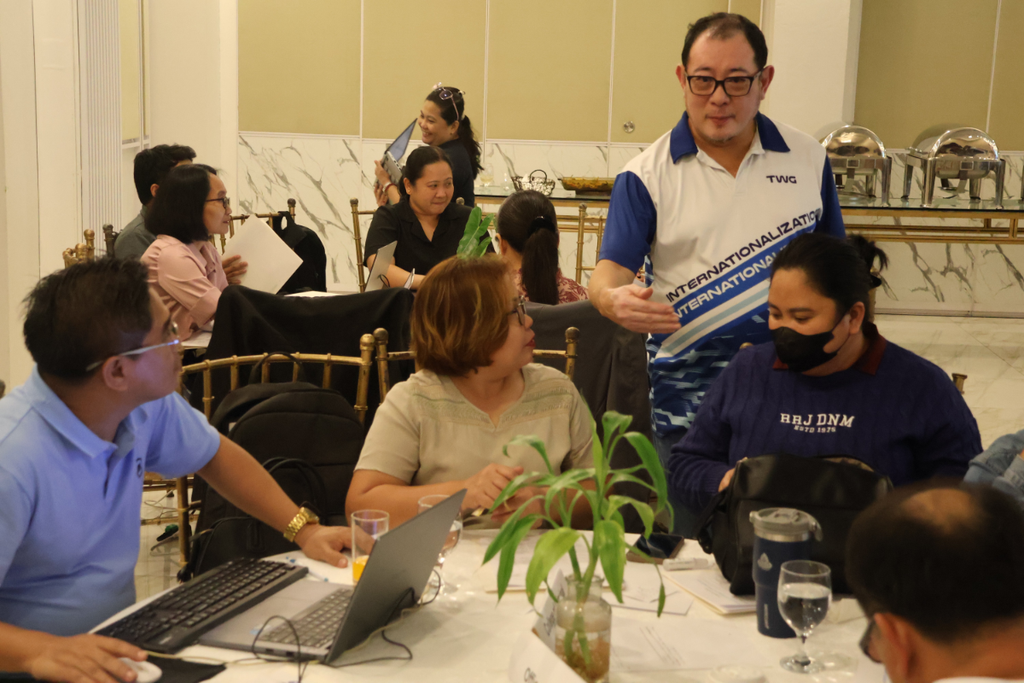
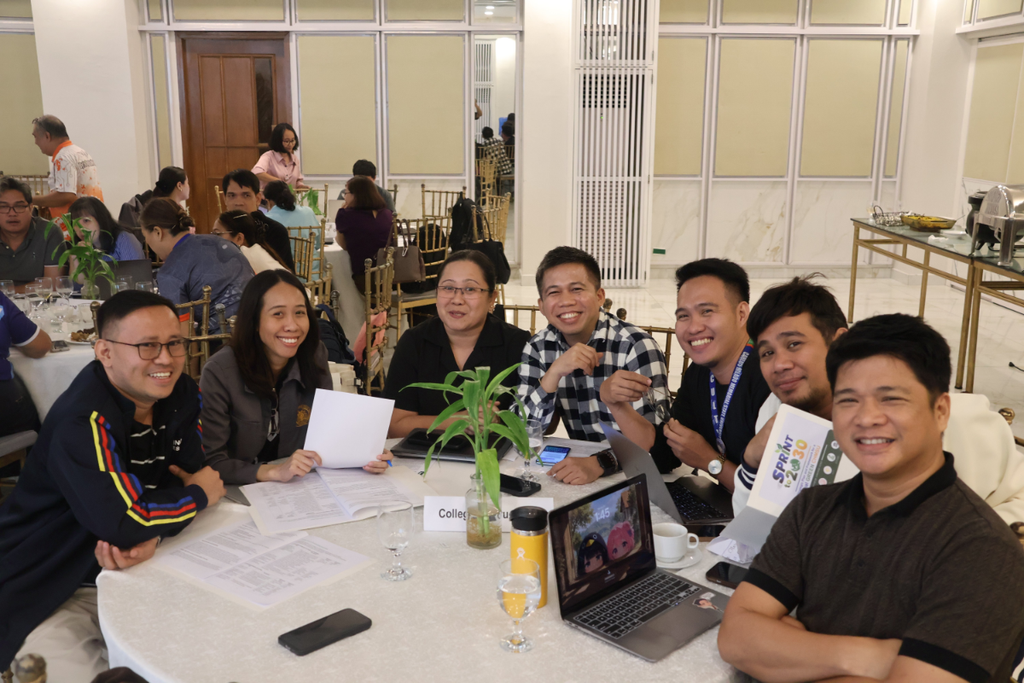
University officials, deans, program chairs, unit heads, coordinators, and student leaders gathered for the Carlos Hilado Memorial State University (CHMSU) Academic Leaders’ Workshop: SPRINT to 2030: Aligning Vision, Performance, and Pathways for a Global GREEN CHMSU on October 27, 2026, at Alfredo Hall, Nature’s Village Resort Hotel.
Organized by the Center for Internationalization and External Relations (CIER) in partnership with the Office of the Vice President for Academic Affairs (VPAA), the full-day workshop convened key officials and representatives to shape the University’s academic and globalization direction toward 2030.
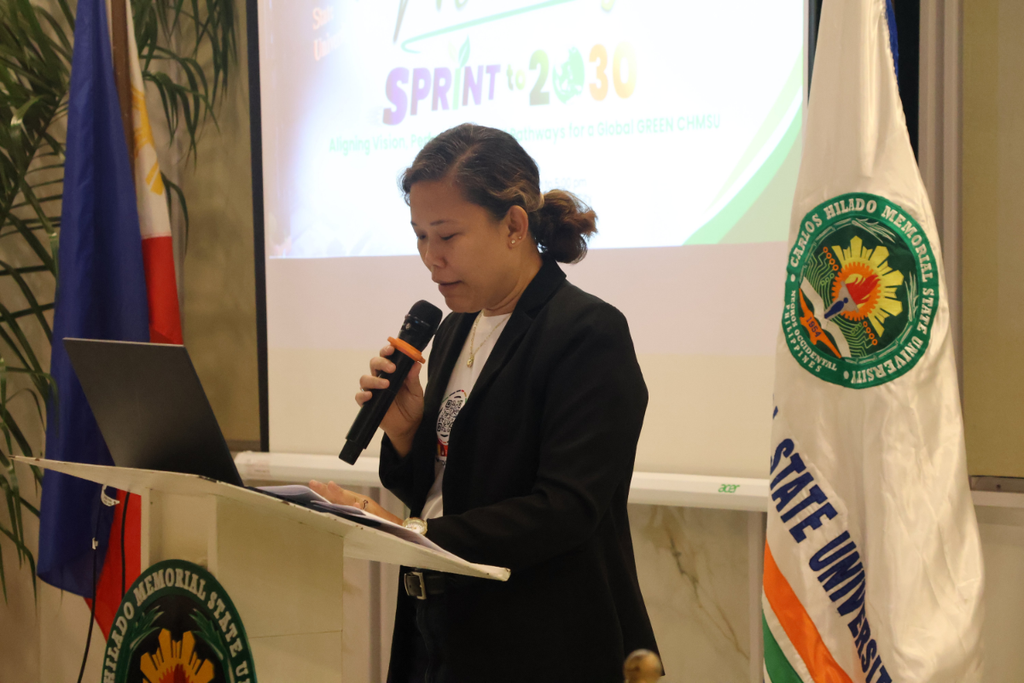
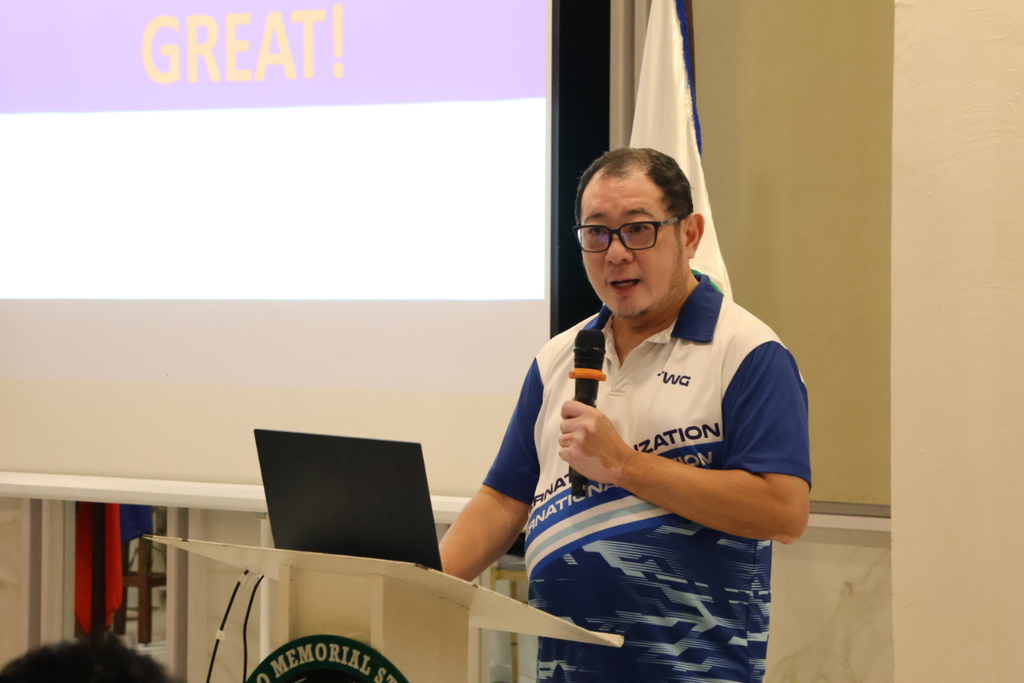
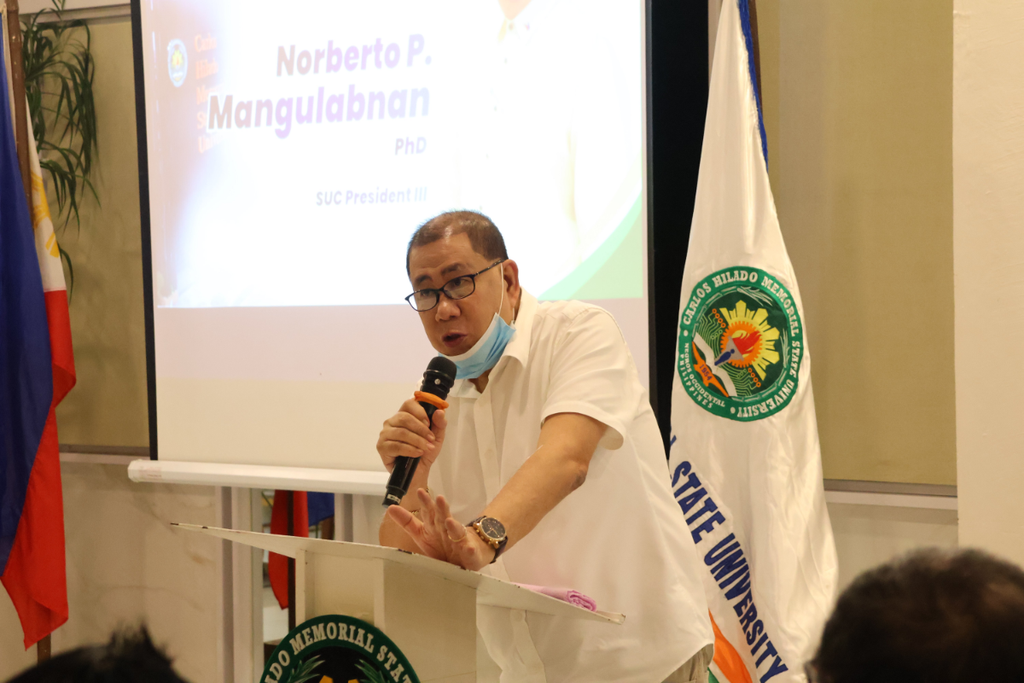
CIER / Keith Brandon Cari-an, John Carlo Visca, & Jewel Ortega photos
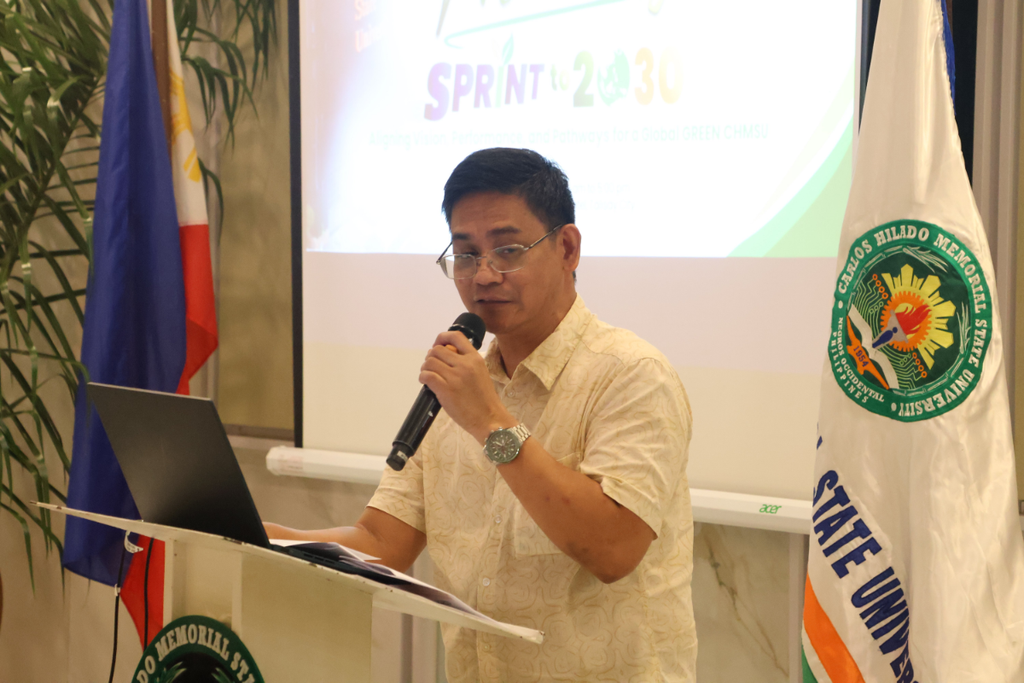
In his welcome message, OIC-VPAA Arjay Alvarado urged the participants to work together in harmony to produce meaningful outcomes from the activity.
University President Norberto Mangulabnan, in his inspirational message, called on the academic leaders to become more responsive and responsible as it prepares to enter global ranking systems such as the Times Higher Education (THE) Impact Rankings and the World University Rankings for Innovation (WURI). These global rankings evaluate how universities approach sustainability, real-world innovation, practical performance, and the holistic student experience.
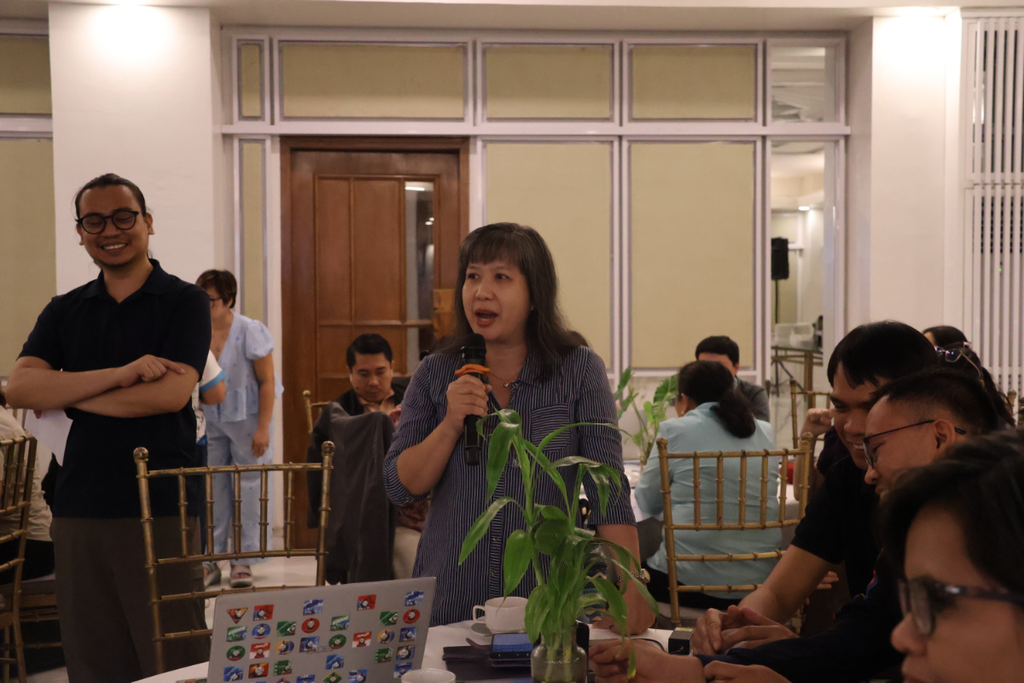
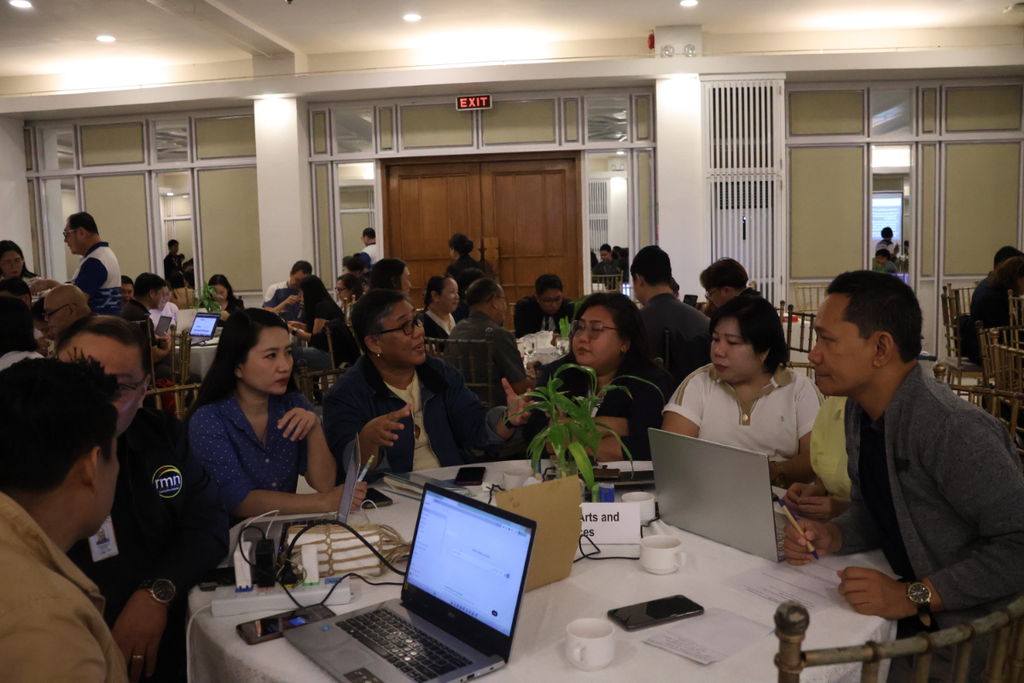
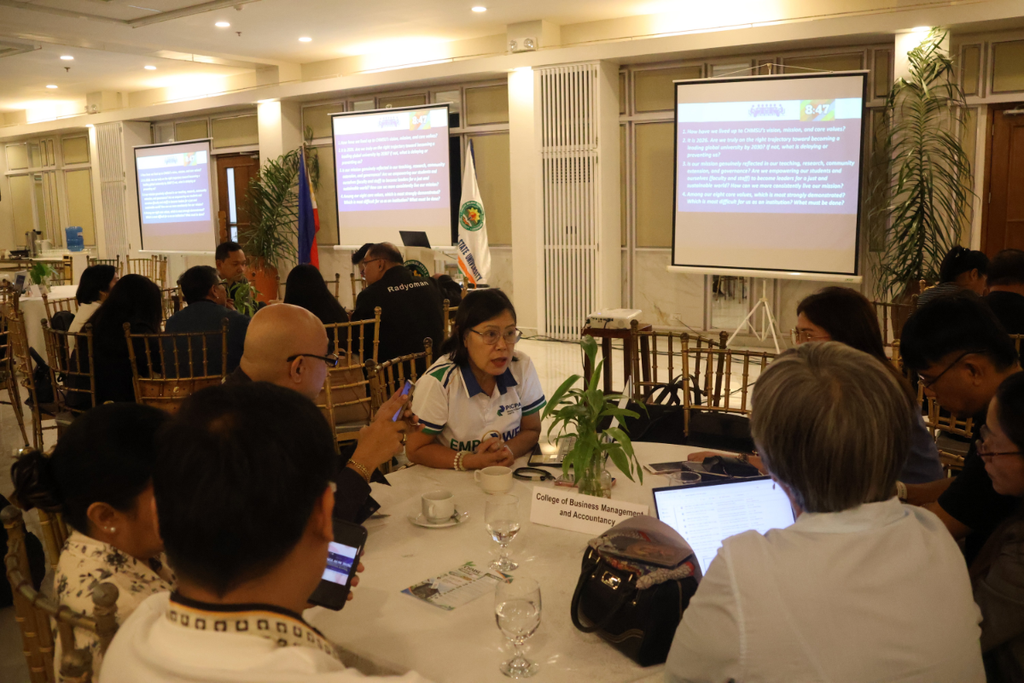
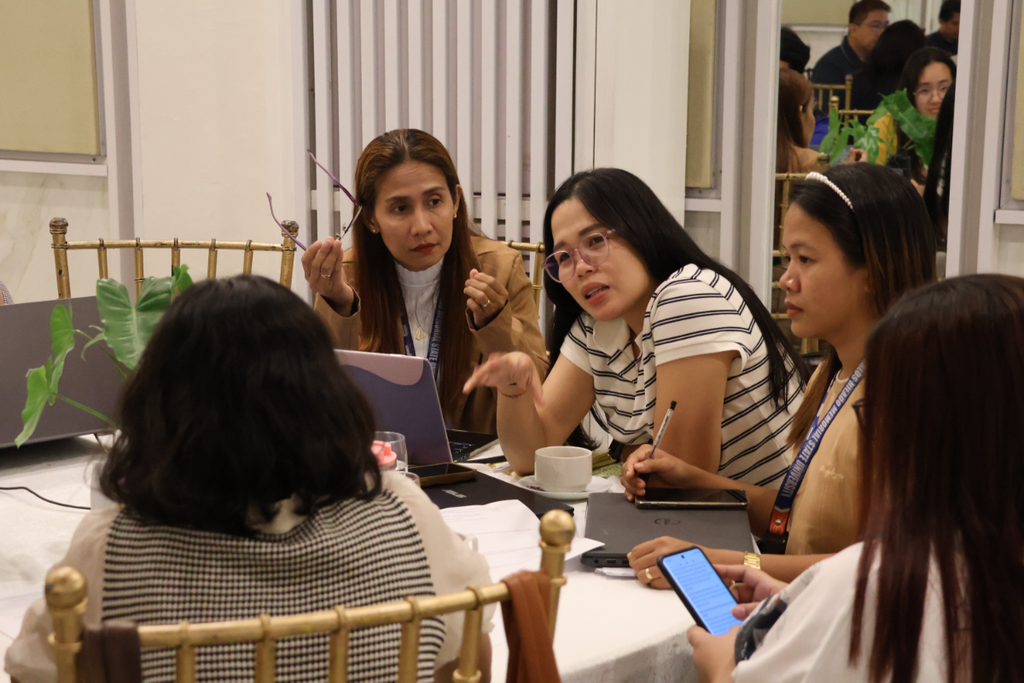
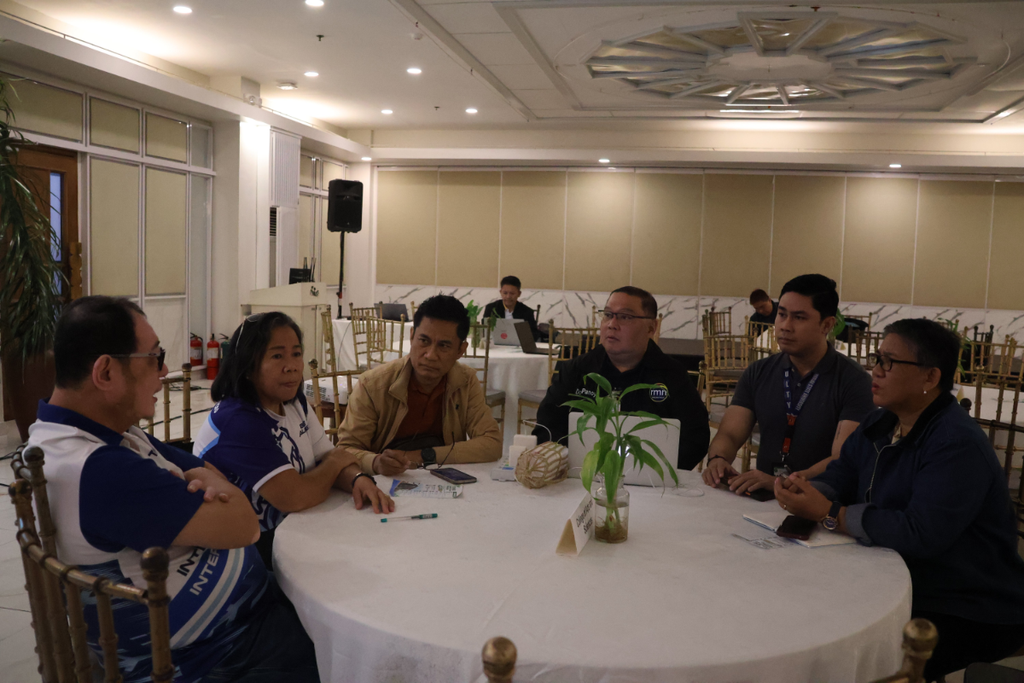
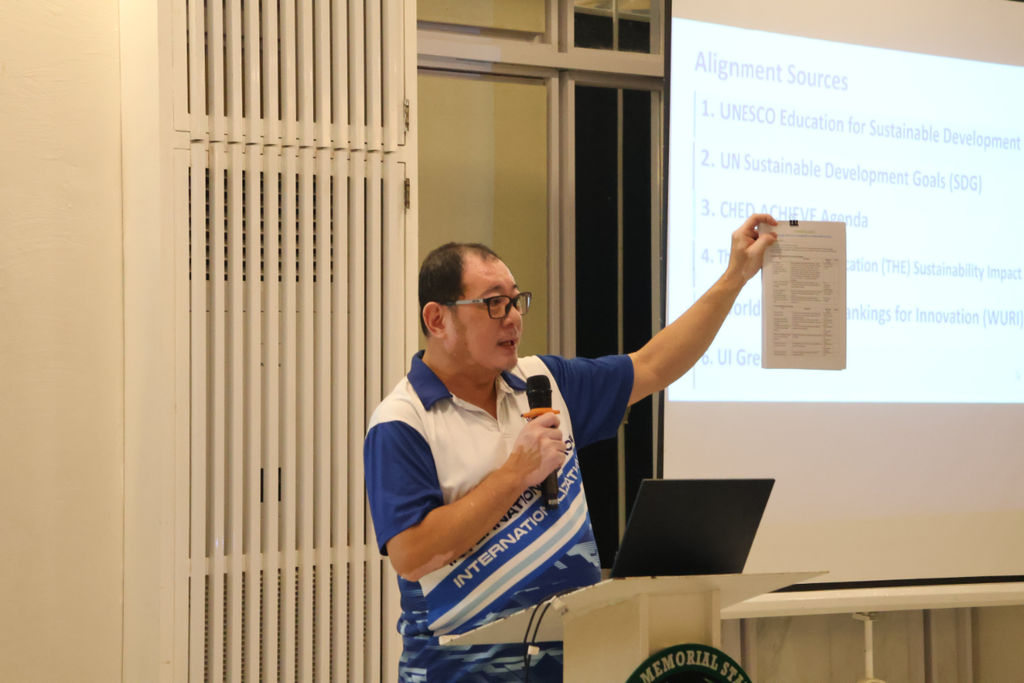
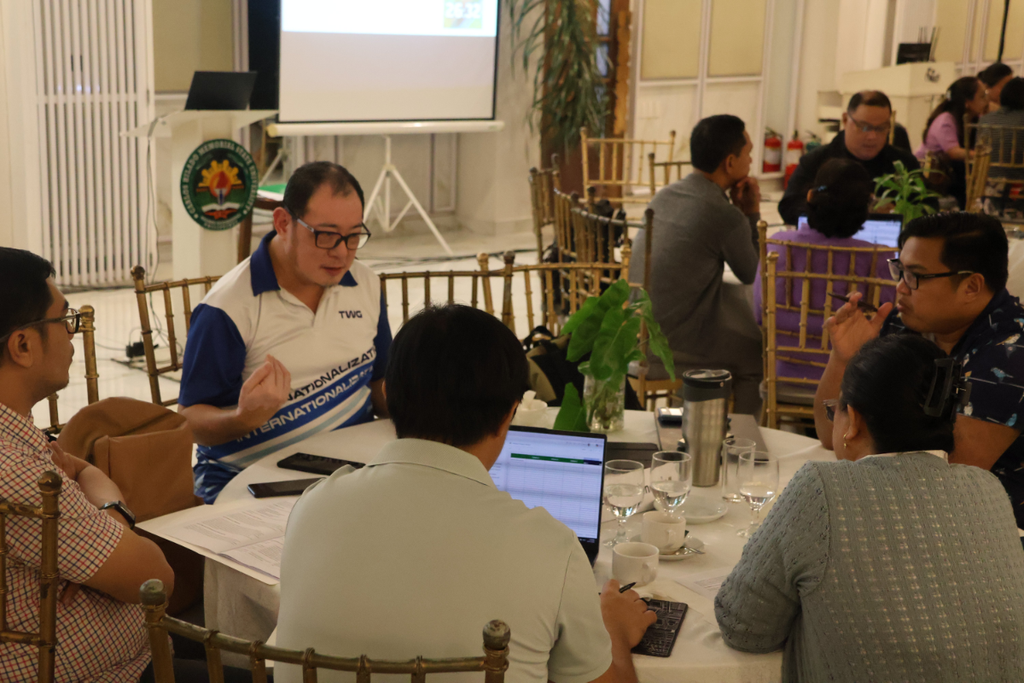
CIER Director Rhoderick Samonte then guided the participants through five workshop sessions. The first session revisited CHMSU’s vision, mission, core values, educational philosophy, and graduate attributes, cascading the ExCELSIOR core values and GREAT core attributes across all academic units.
With the second workshop, they assessed the University’s SDG impact ratings in support of its participation in the THE Impact Rankings. The third workshop focused on the transition to “SPRINT to 2030,” the Board of Regents–approved strategic plan, and its framework for a Global GREEN CHMSU.
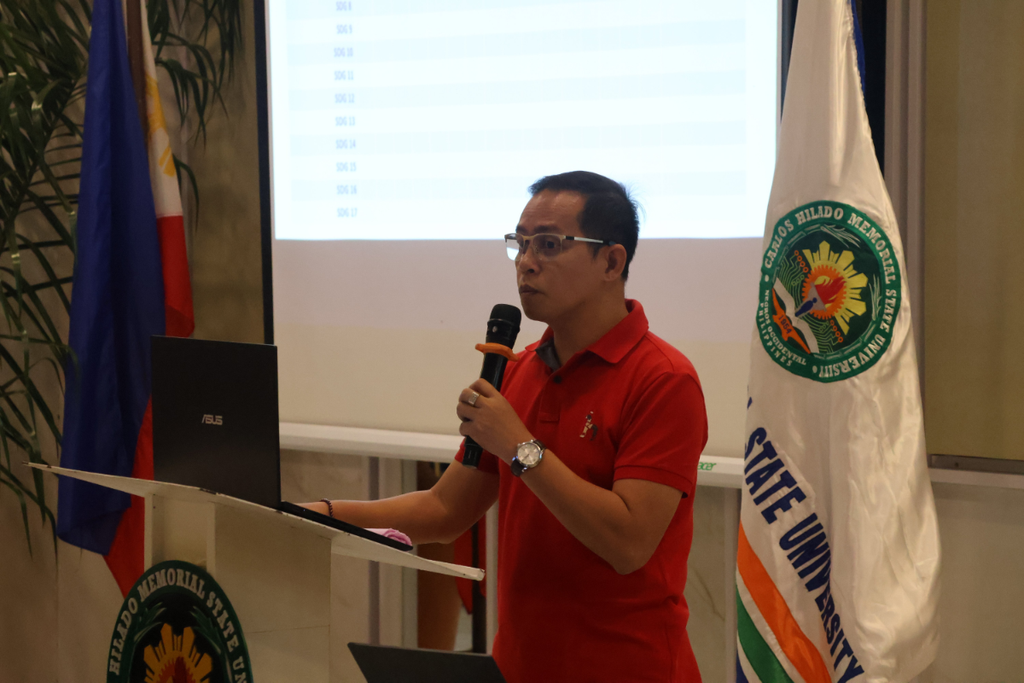
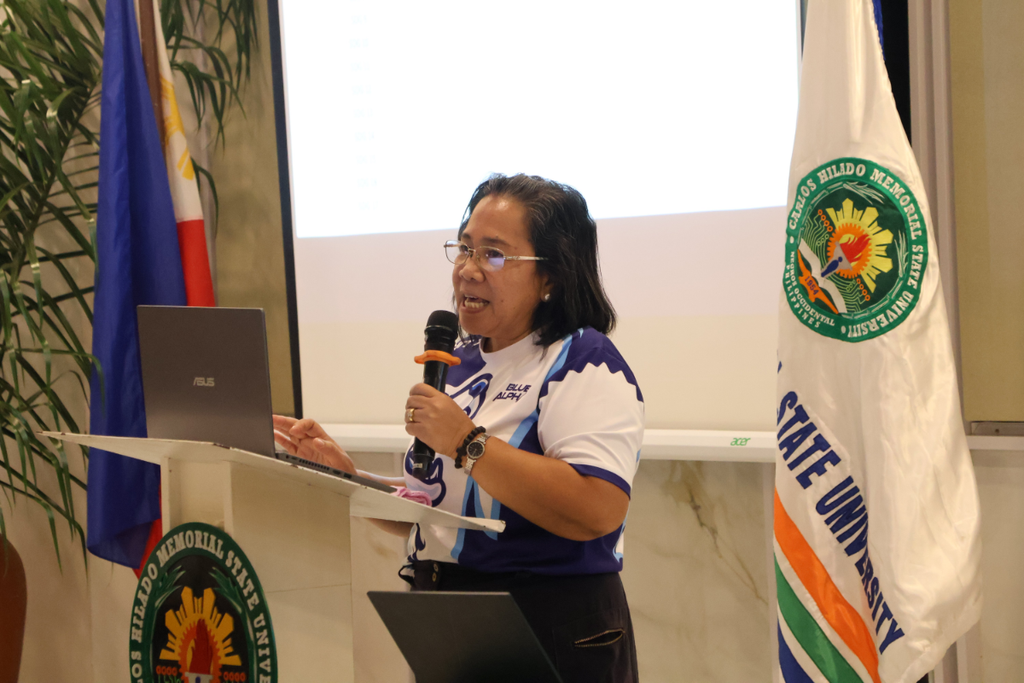
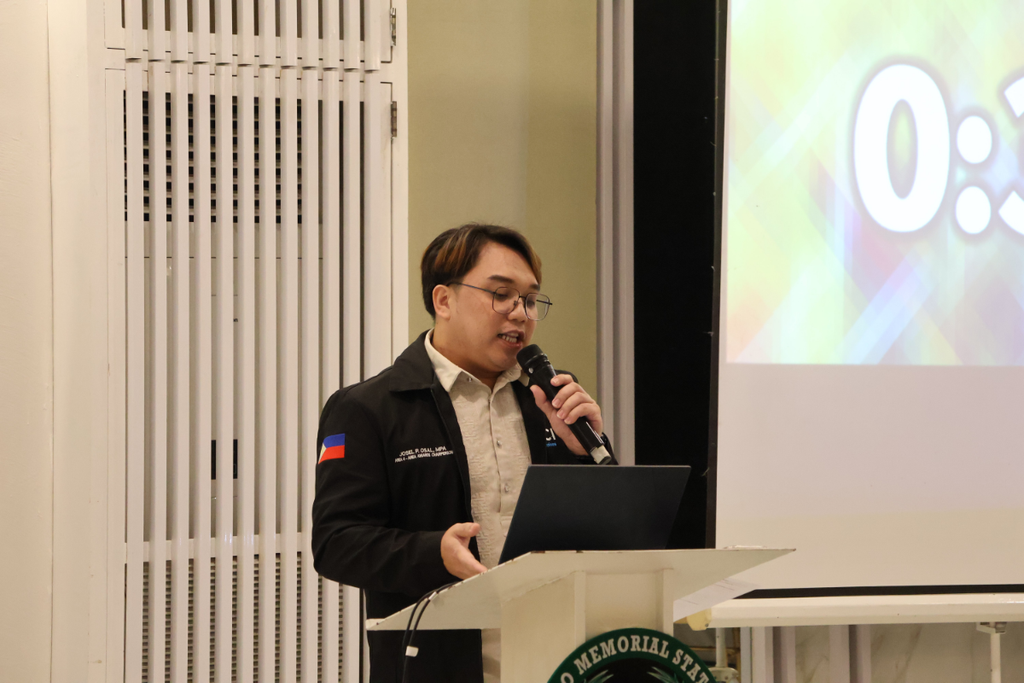
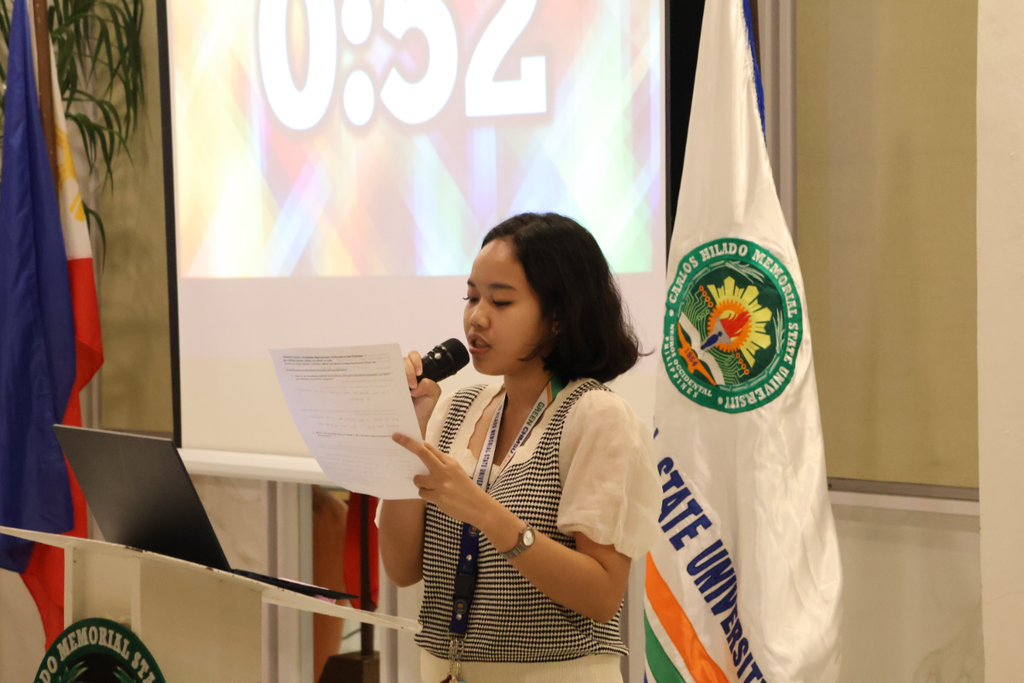
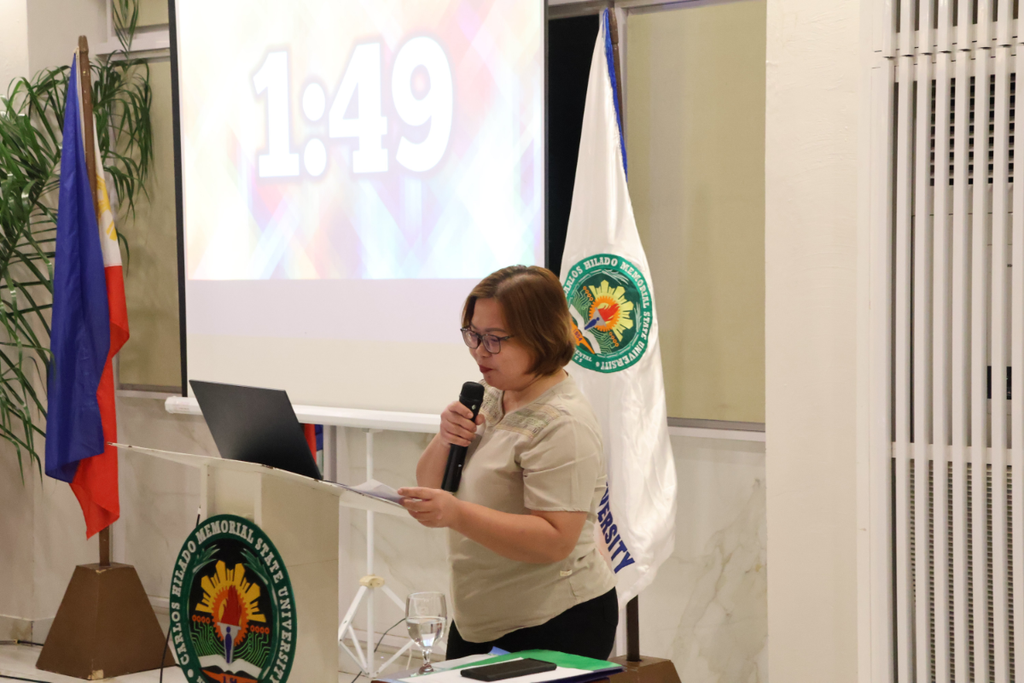
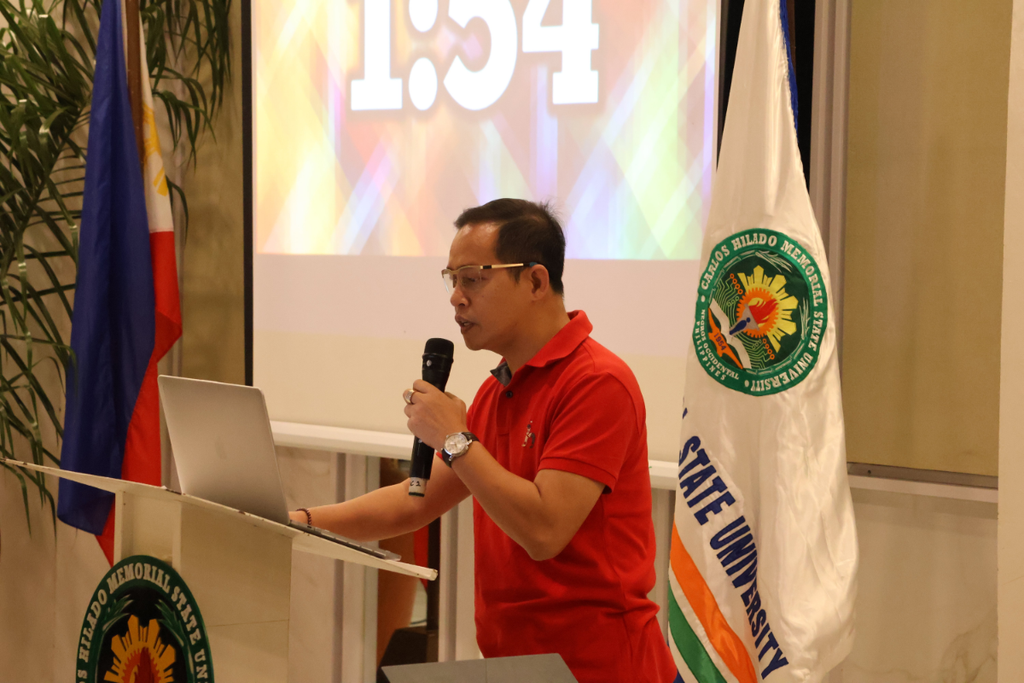
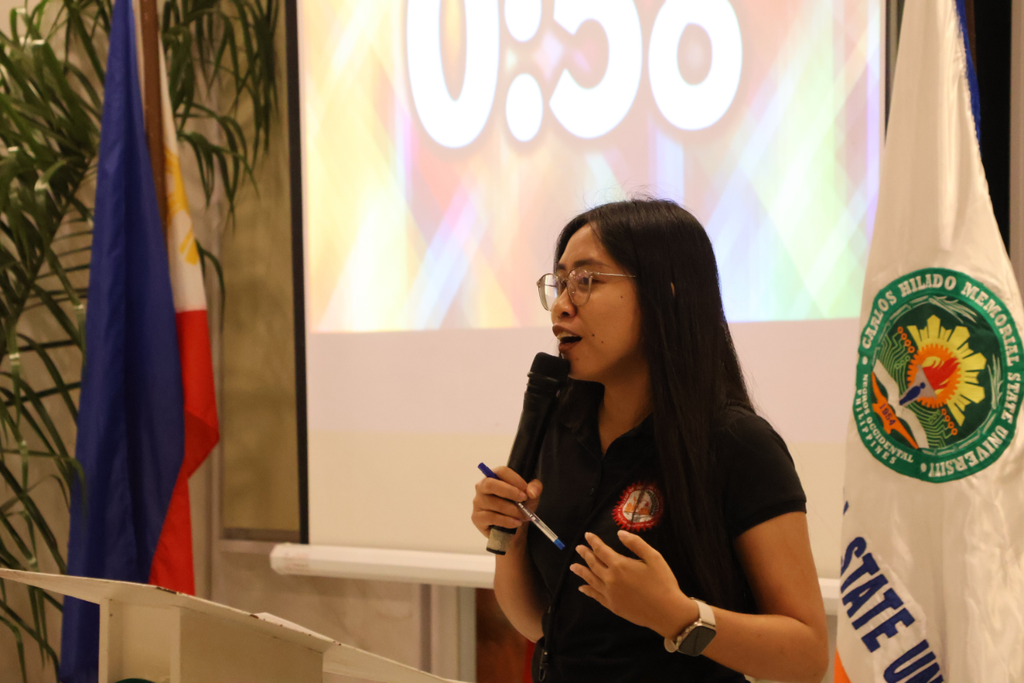
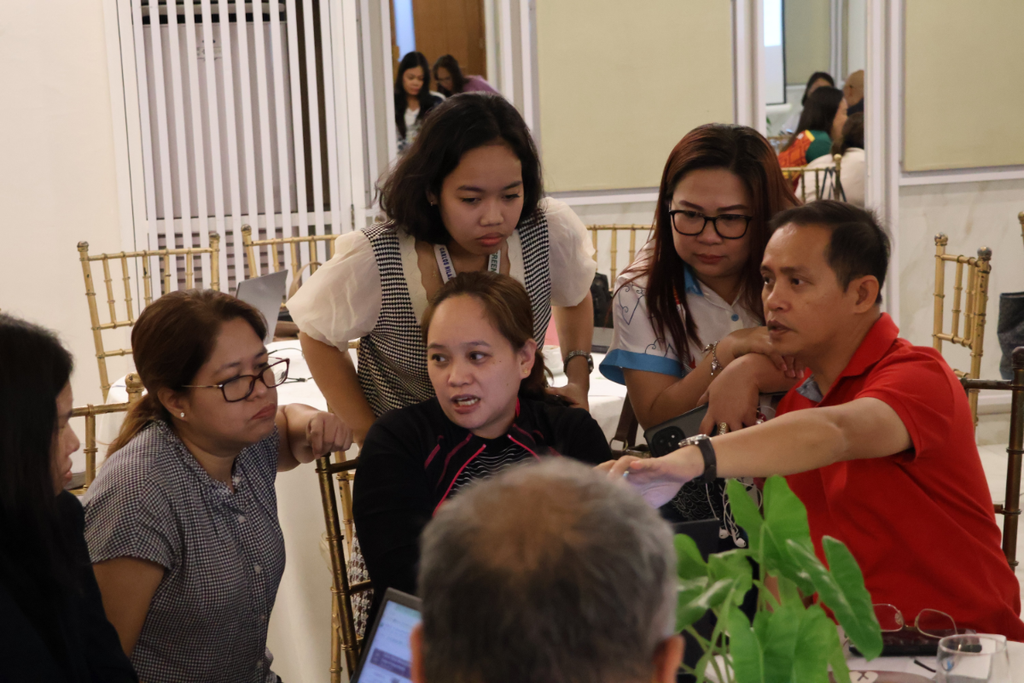
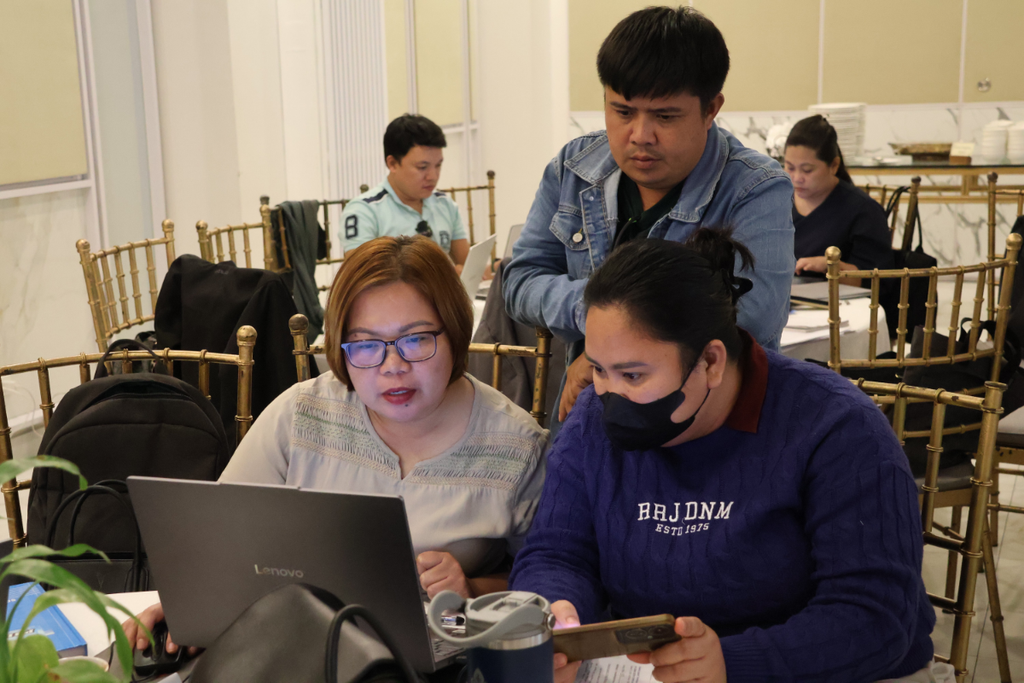
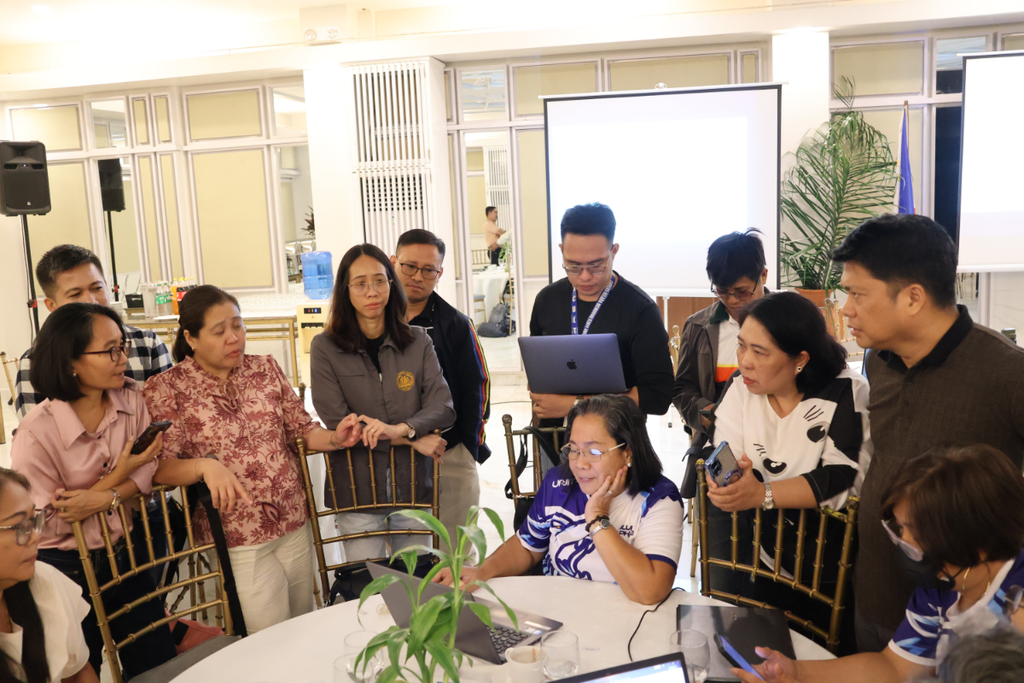
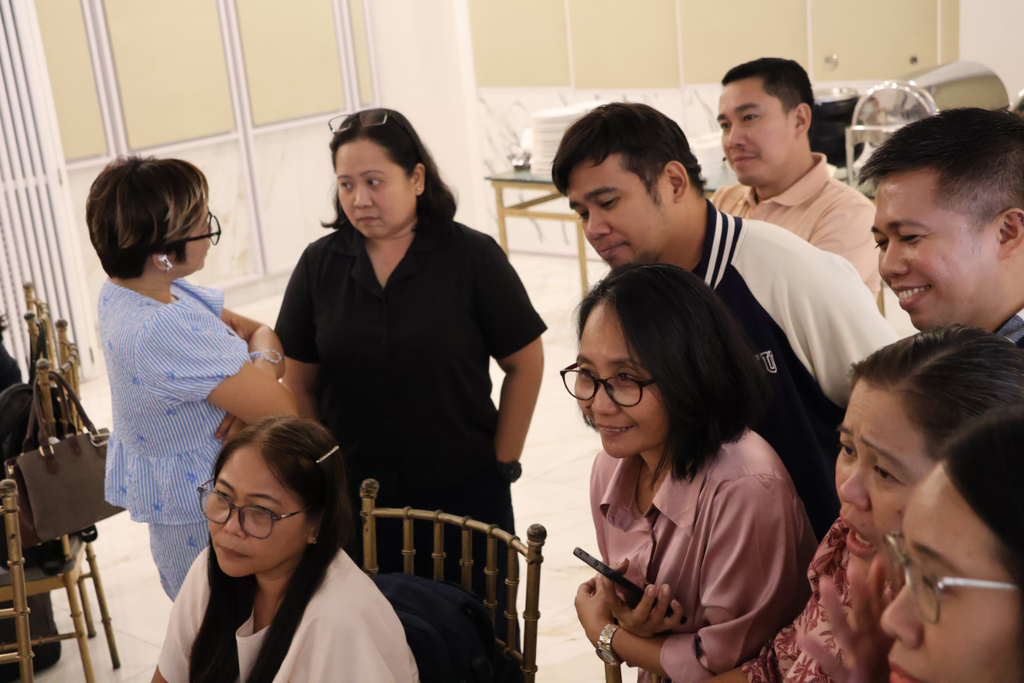
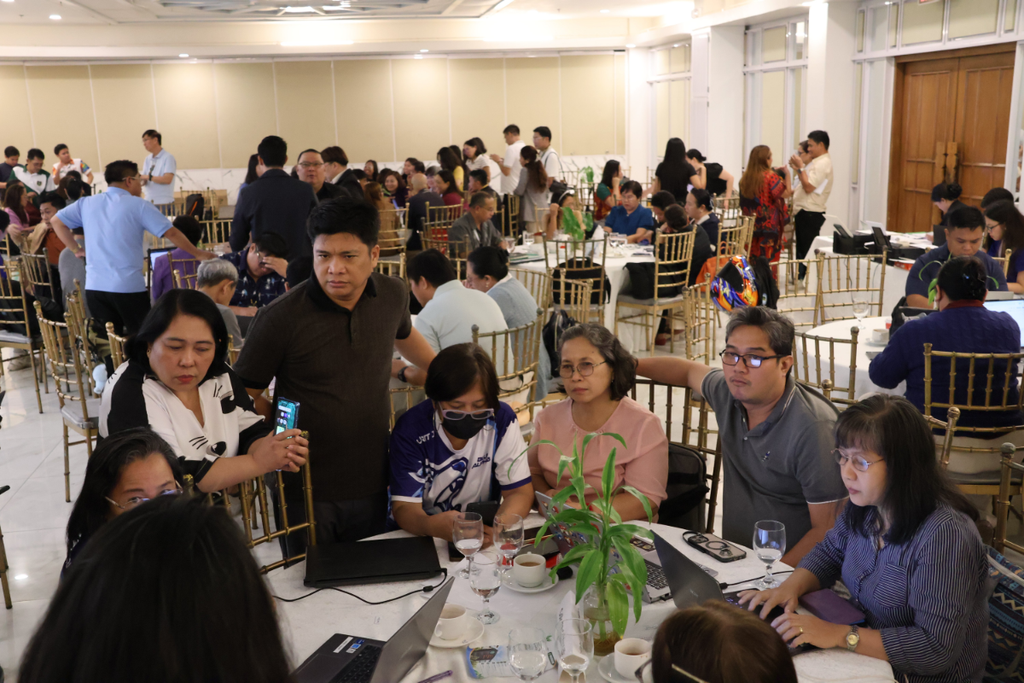
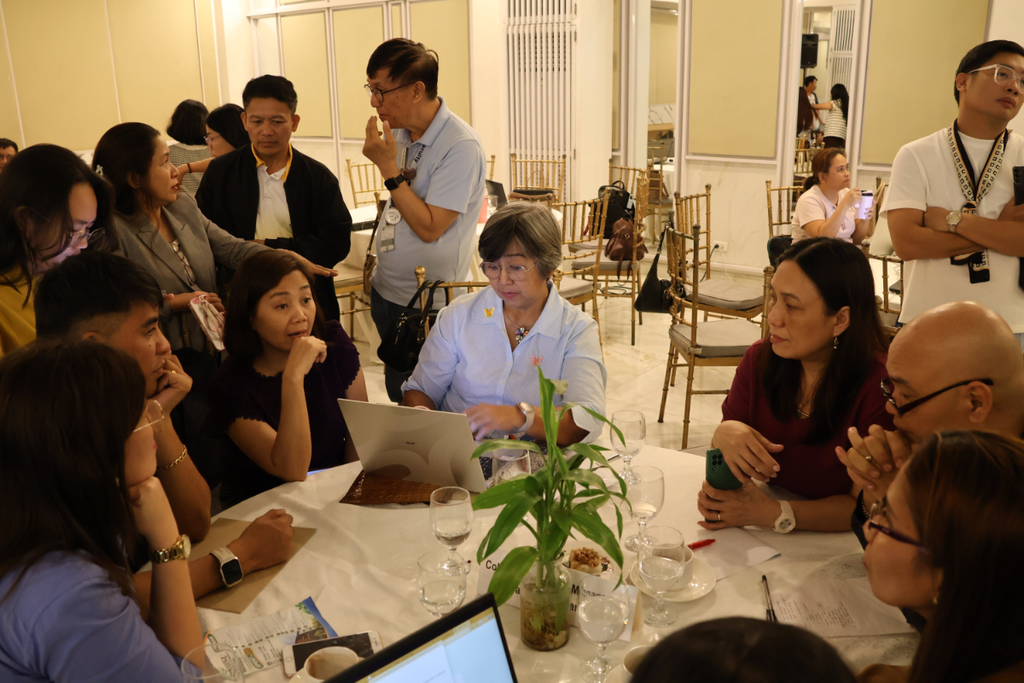
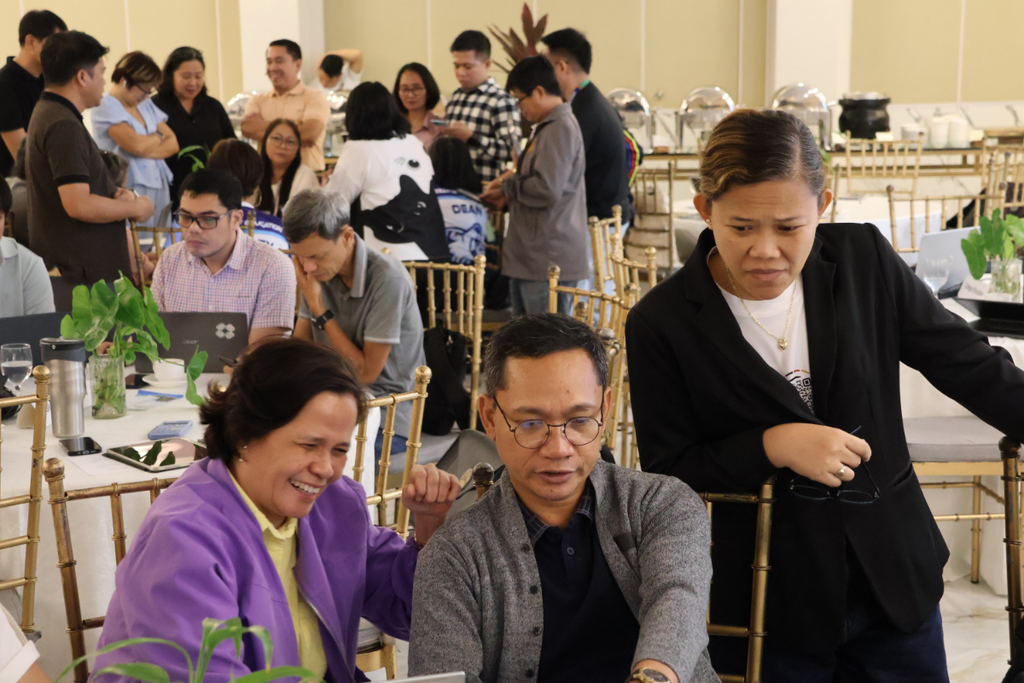
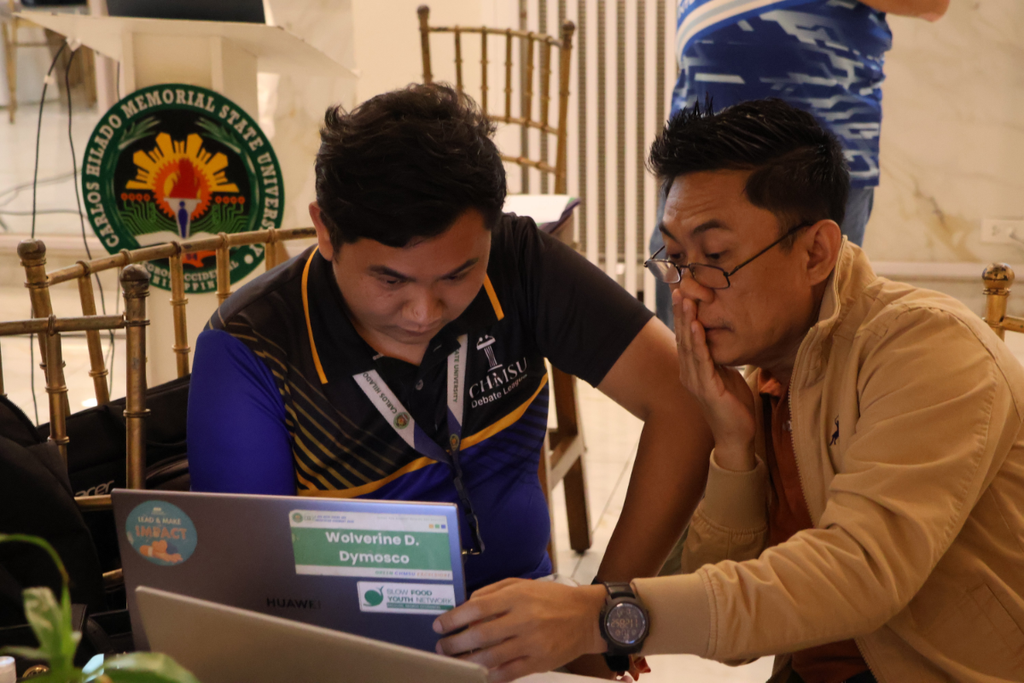
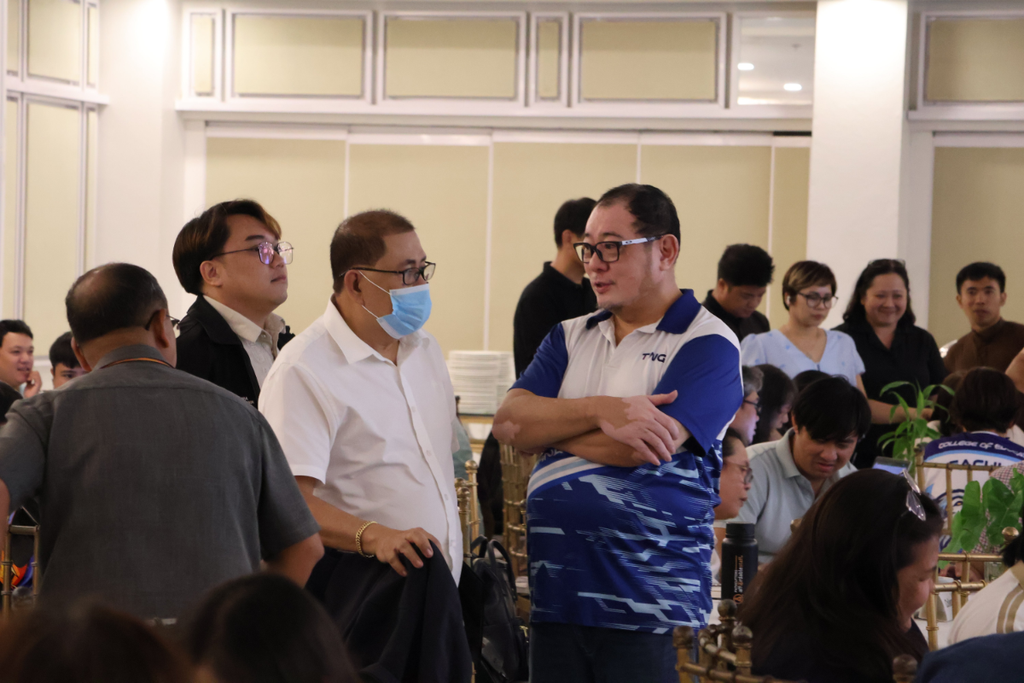
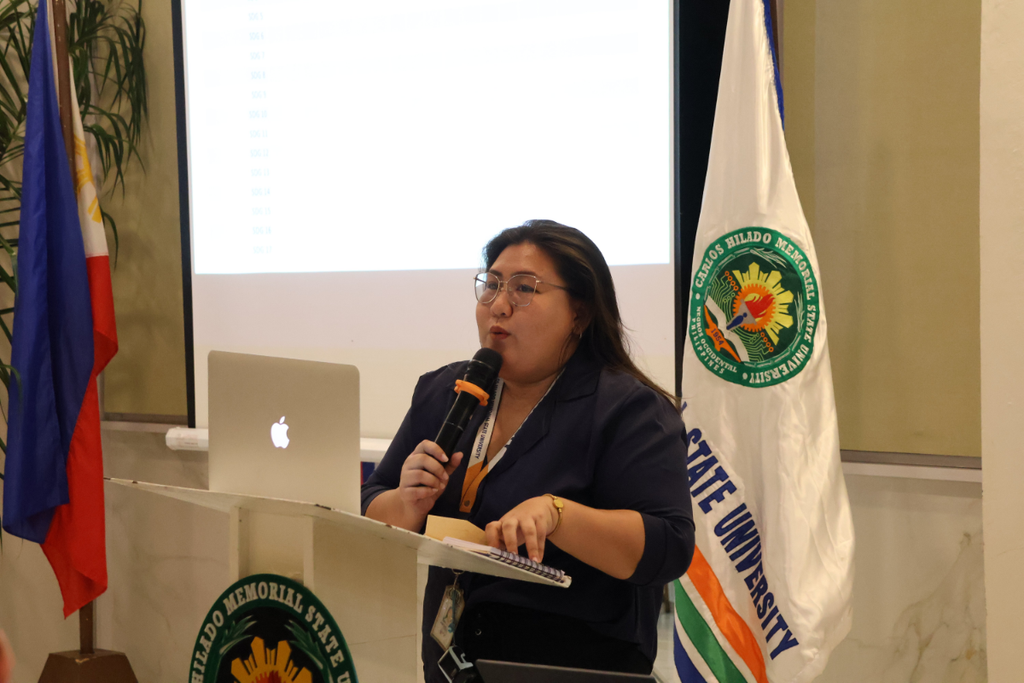
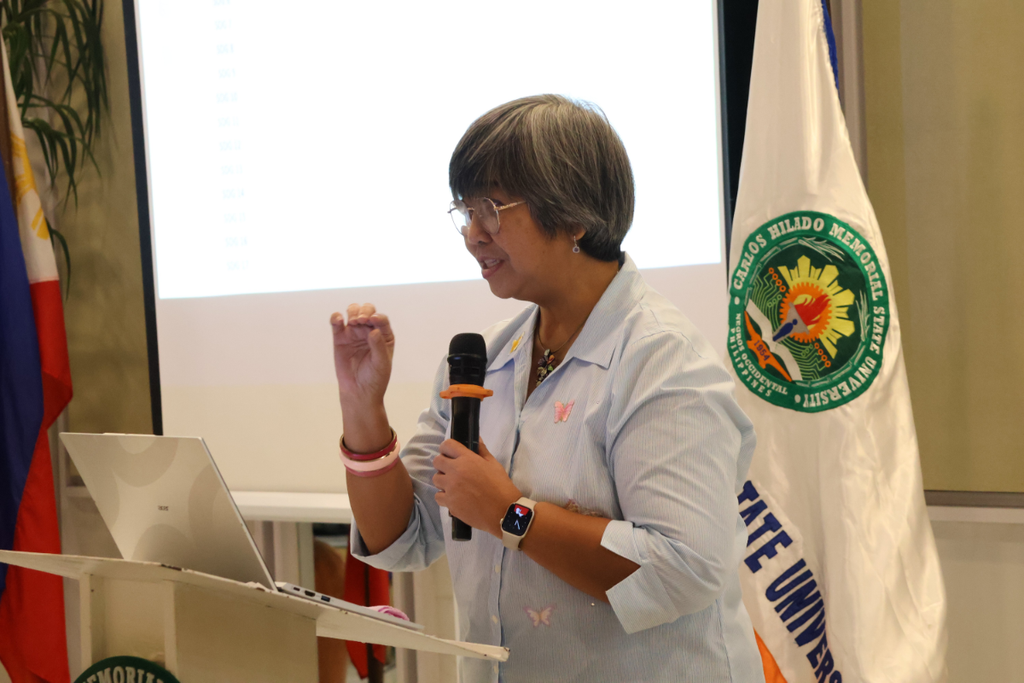
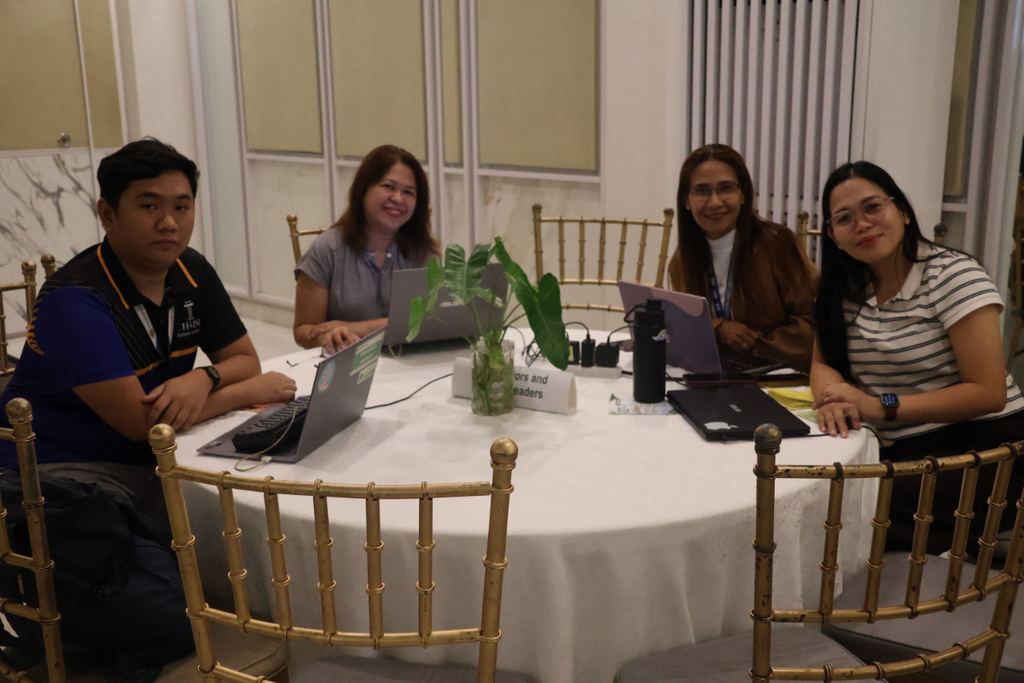
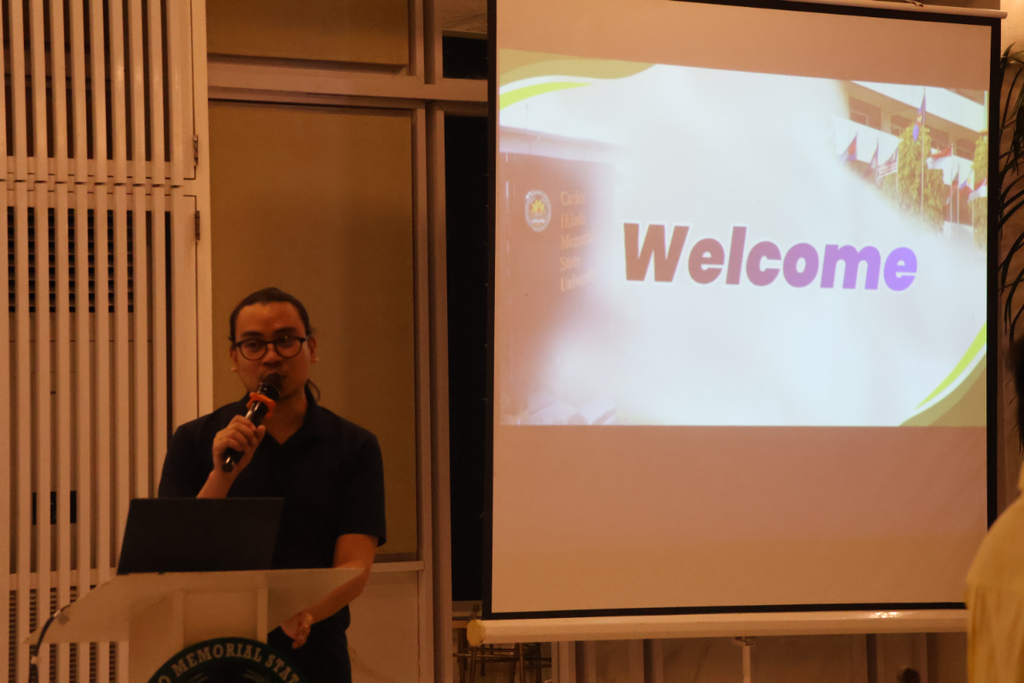
CIER / Keith Brandon Cari-an, John Carlo Visca, & Jewel Ortega photos
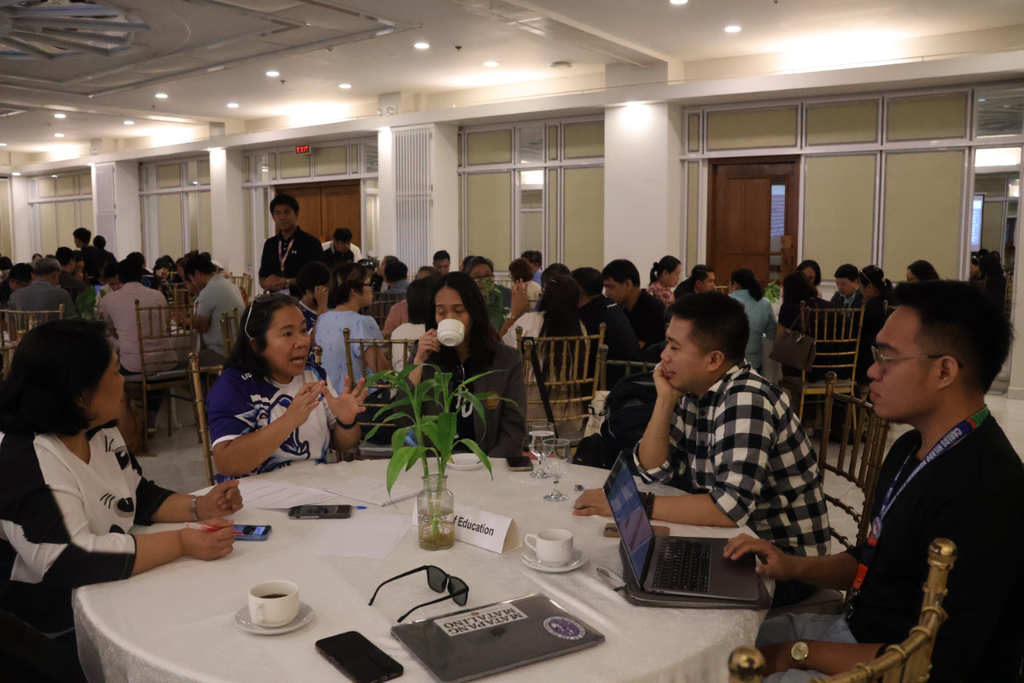
In the fourth session, the participants learned how they can integrate Collaborative Online International Learning (COIL) and the Sustainable Development Goals (SDGs) into the curriculum, while the fifth identified priority strategic actions for immediate implementation.
Through these sessions, participants worked toward three key outputs: a consolidated inventory and evidence matrix of 2024–2026 programs, initiatives, and accomplishments aligned with the SDGs; an evidence-completion plan to address documentation gaps; and office- and program-level commitments and initial action plans mapped to the SPRINT to 2030 targets, which will be harmonized with the University’s existing plans.
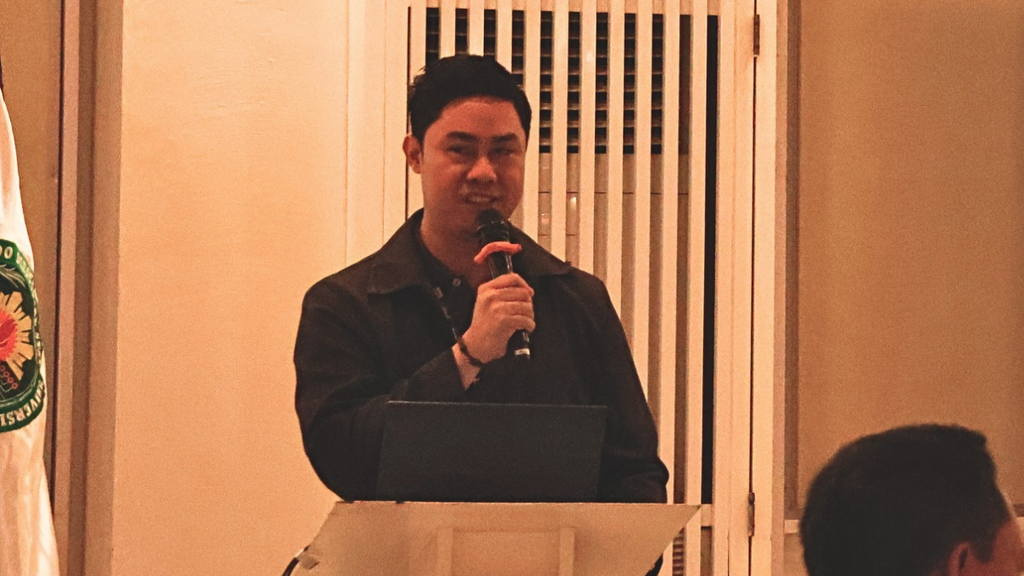
Director Maria Victoria Violanda, of the Office for Student Affairs and Services, delivered the synthesis and way forward, summarizing the day’s discussions and outlining the next steps.
Engr. Russel Dela Torre, OIC- Vice President for Administration and Finance, closed the workshop with a positive outlook on the University’s journey ahead.
With the workshop concluded, CHMSU units will now finalize their evidence and carry out the commitments made, advancing the University’s goal of becoming a leading GREEN institution of higher learning in the global community by 2030.
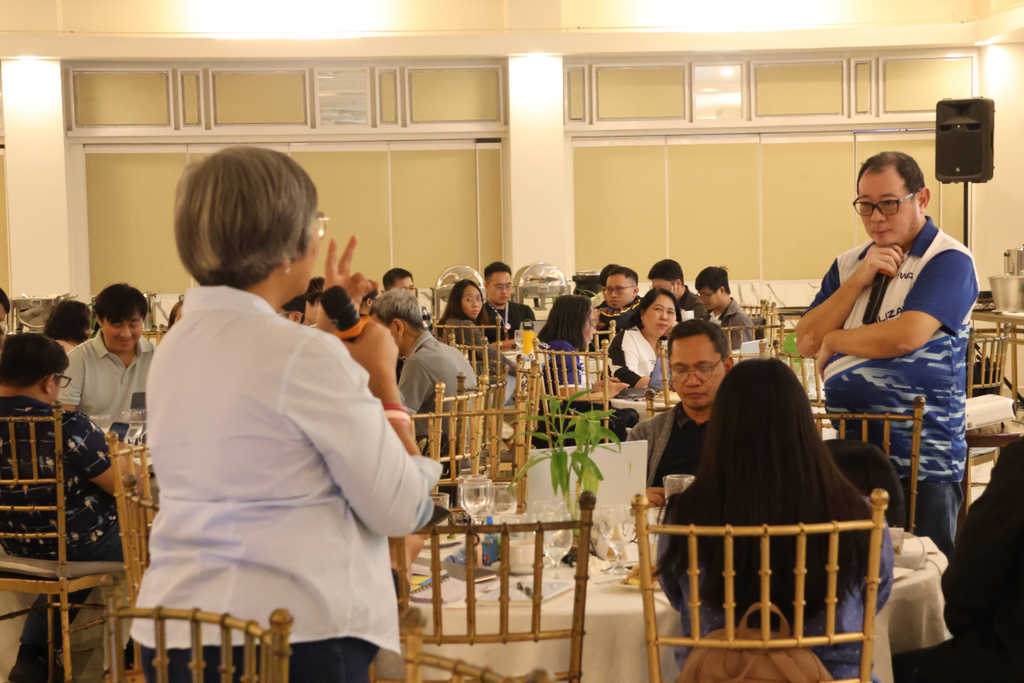
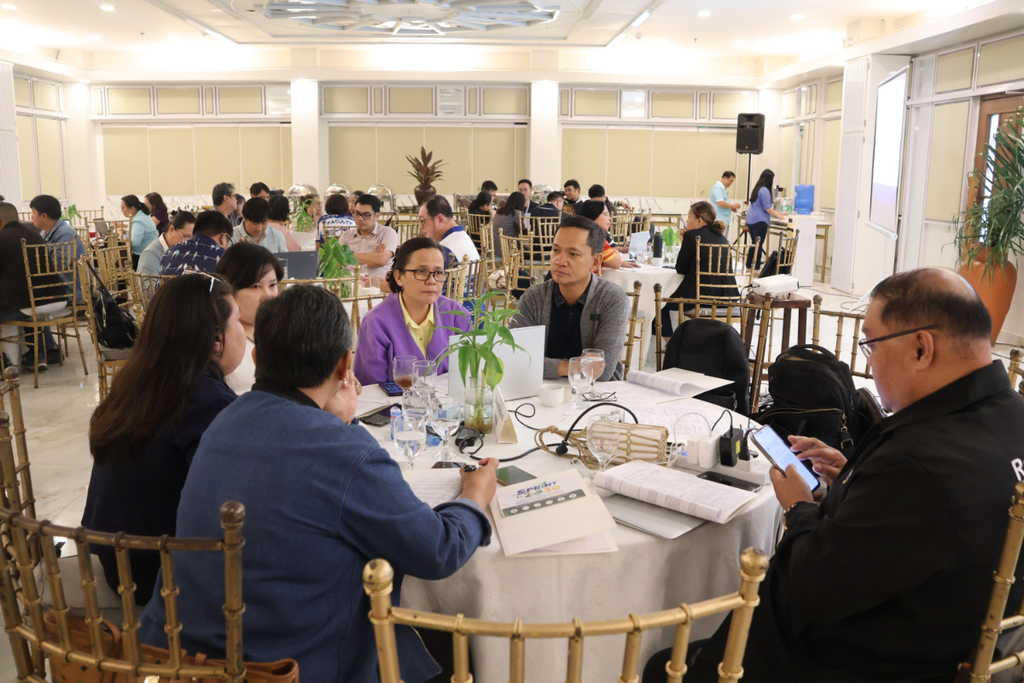
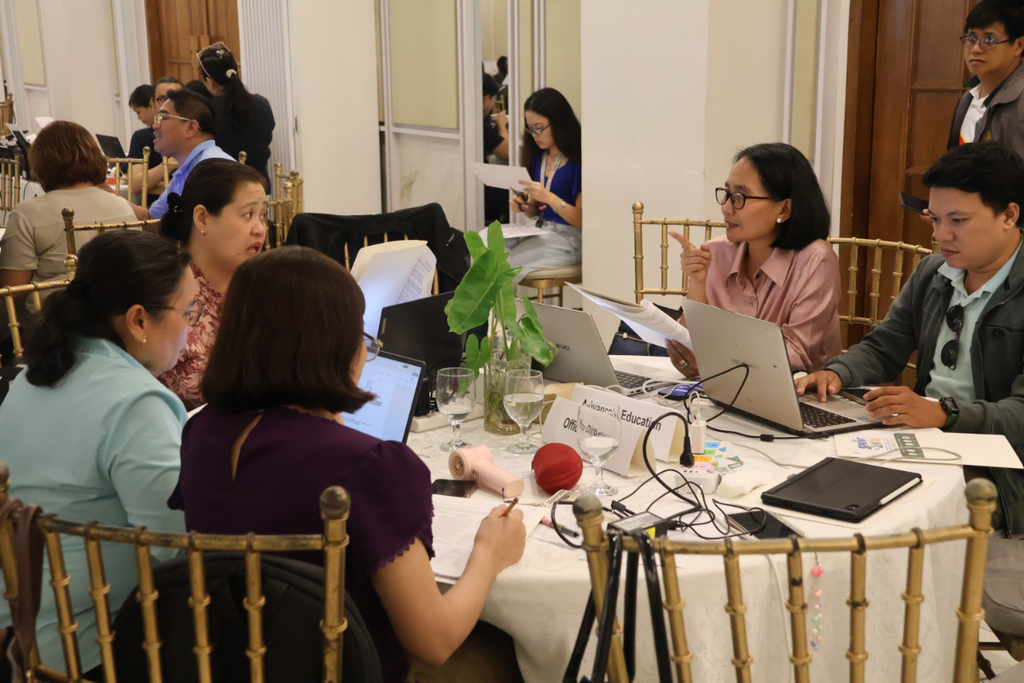
CIER / Keith Brandon Cari-an, John Carlo Visca, & Jewel Ortega photos