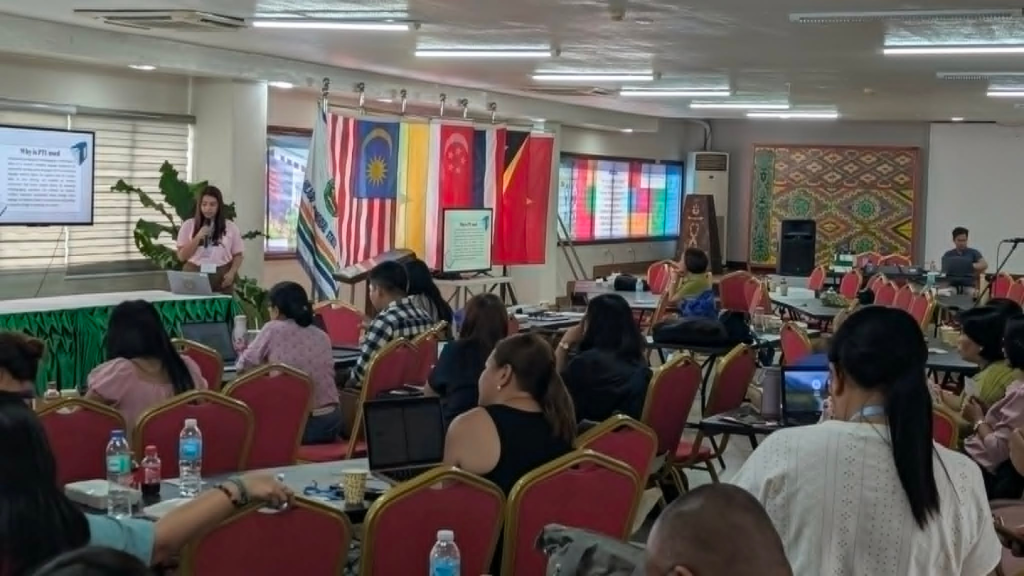
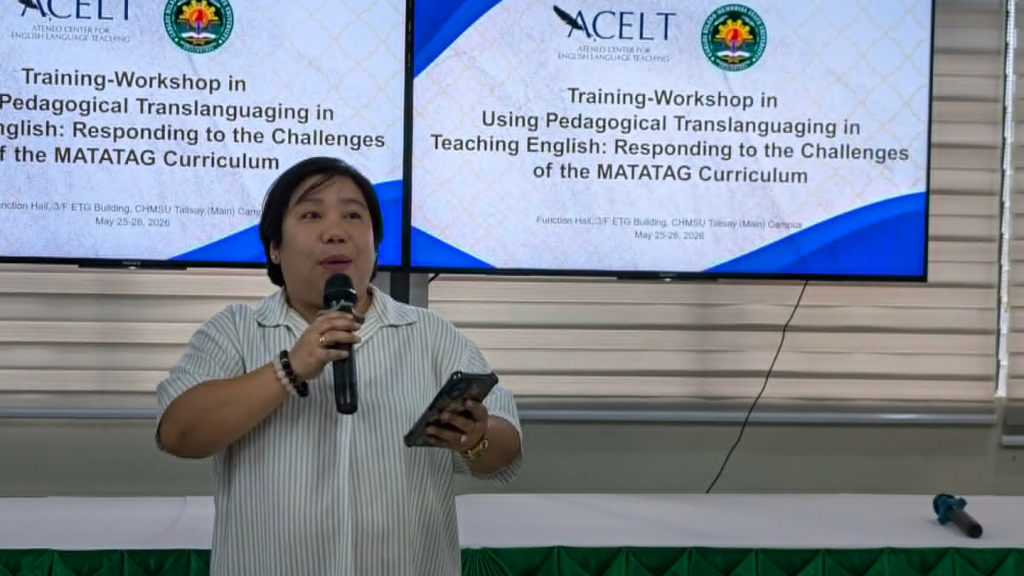
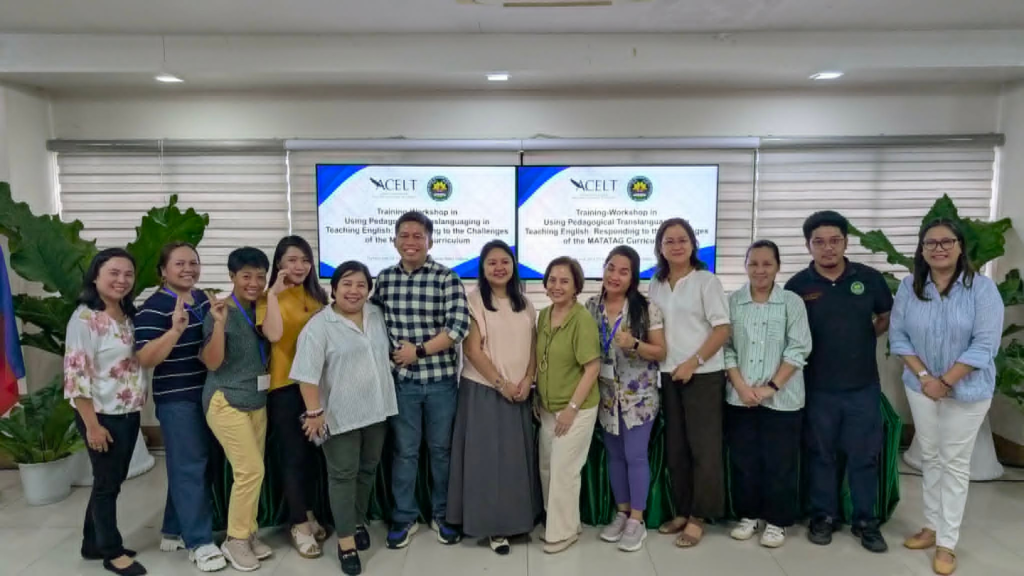
The workshop on “Using Pedagogical Translanguaging in Teaching English: Responding to the Challenges of the MATATAG Curriculum,” organized by the Ateneo Center for English Language Teaching (ACELT) and hosted by Carlos Hilado Memorial State University (CHMSU), concluded on May 26, 2026 with the participation of faculty and instructors from across the country.
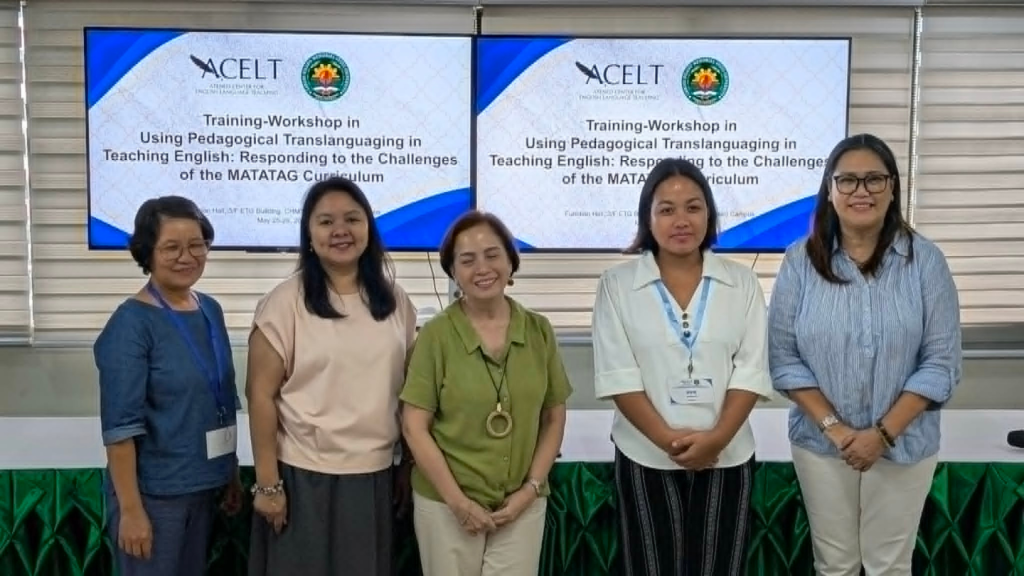
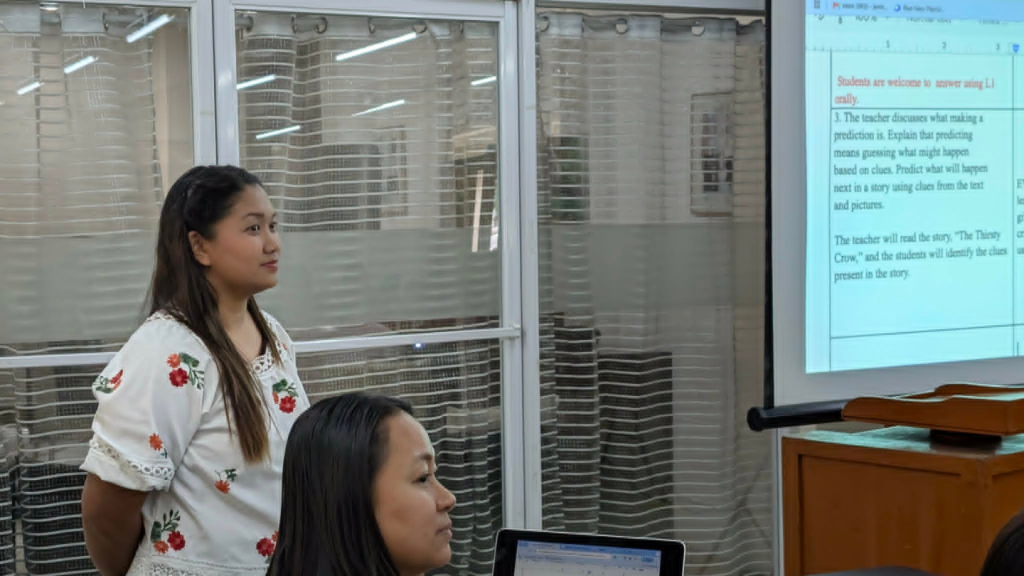
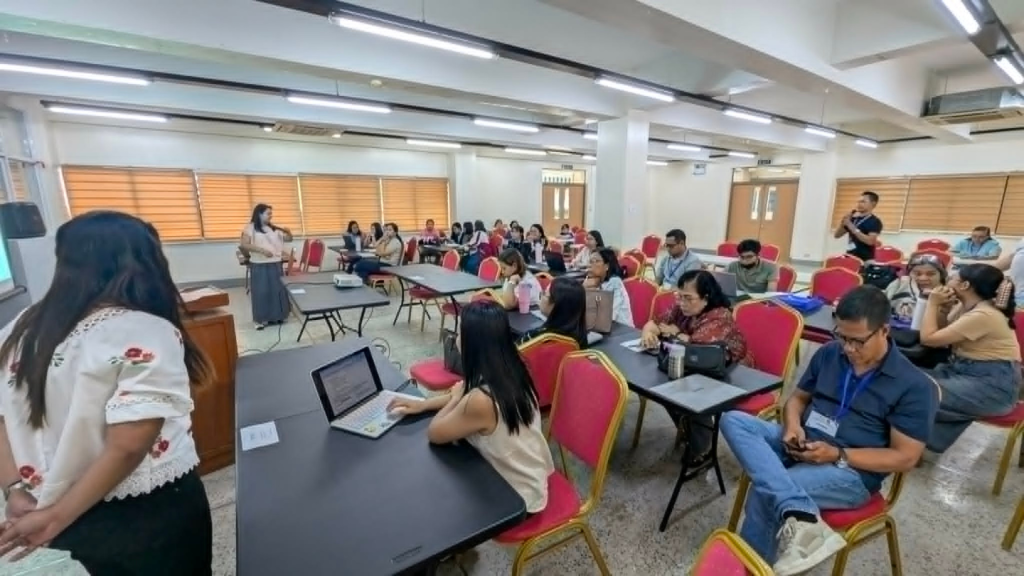
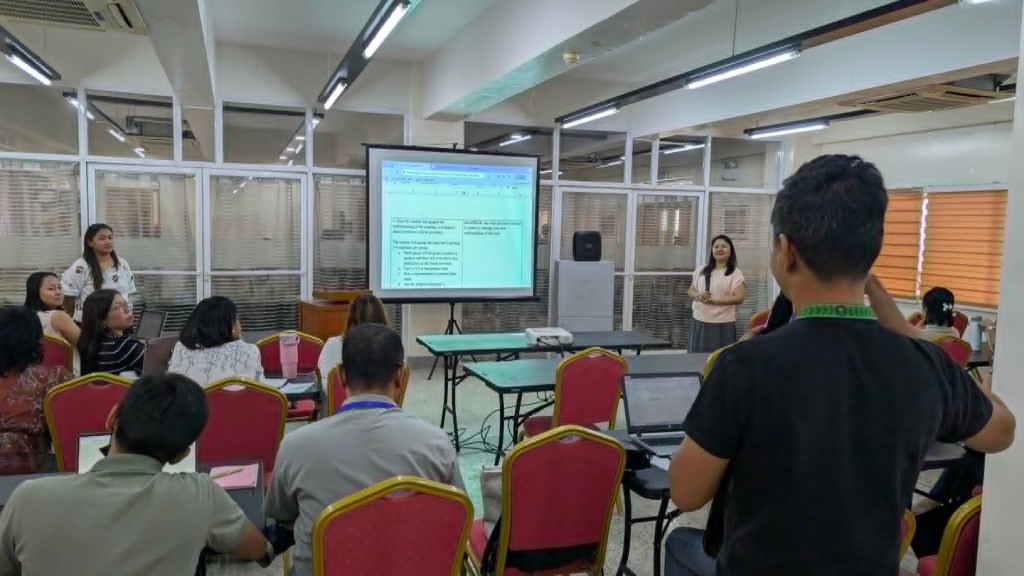
ACELT Executive Director Cecilia Suarez and Prof. Marianne Rachel Perfecto of Ateneo de Manila University served as resource speakers. Organized by the College of Arts and Sciences – BA English Language Program in partnership with the Center for Internationalization and External Relations, the two-day event featured interactive lectures, discussions, and hands-on workshops.
Director Suarez invited participants to welcome ACELT into their respective institutions to conduct further workshops on English Language Teaching.
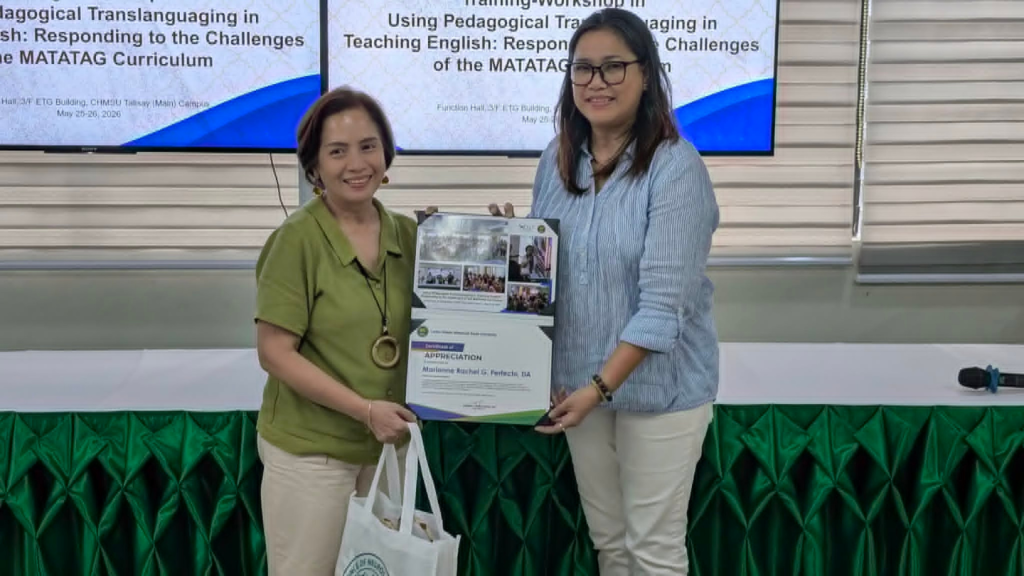
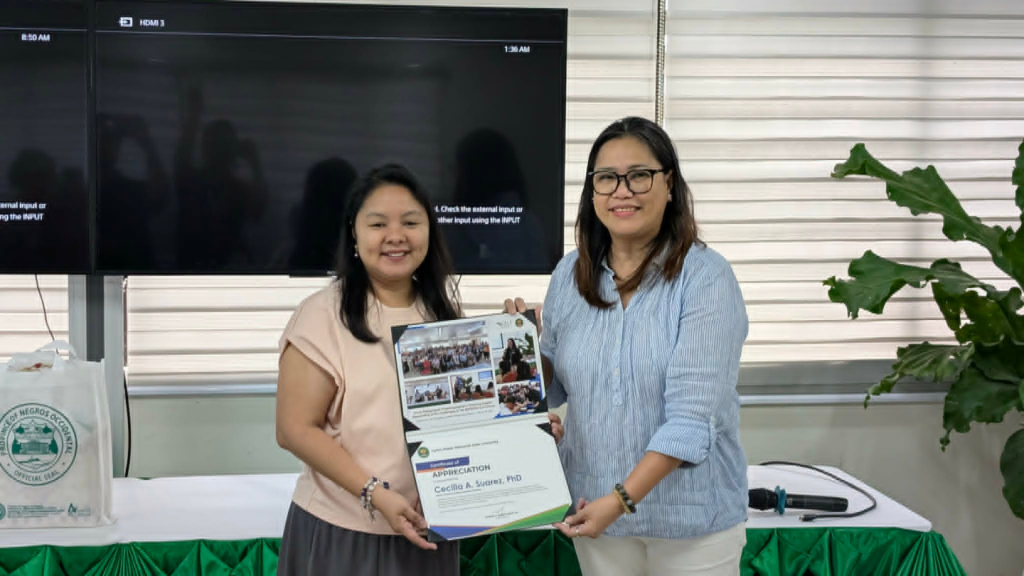
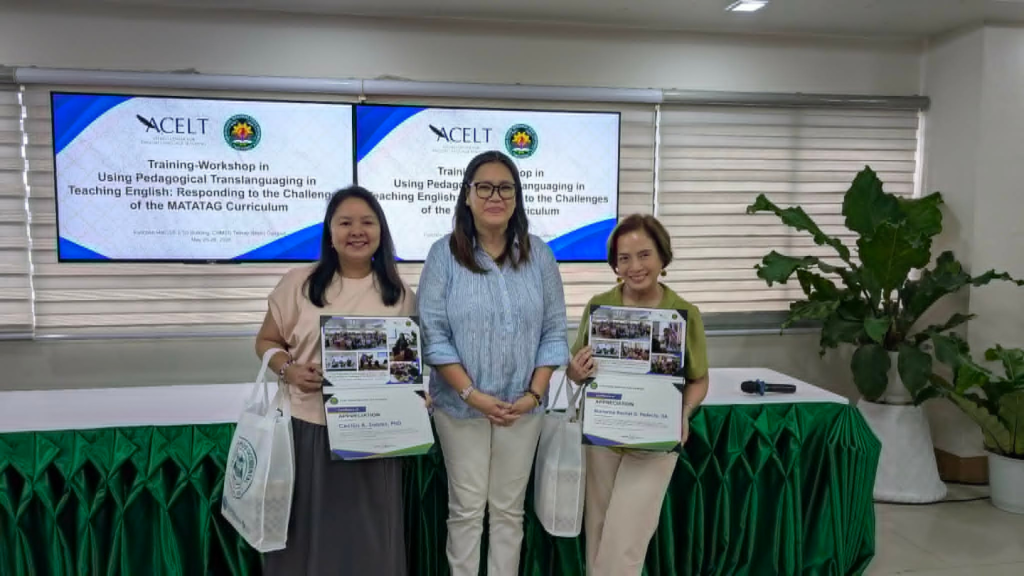
(from left) ACELT Executive Director Cecilia Suarez , Workshop Overall Chair Prof. Yvonne Velasco, and Prof. Marianne Rachel Perfecto
CIER photos
The workshop brought together faculty from CHMSU, Bacolod Trinity Christian School, Capiz State University (CapSU) Dayao Satellite College and Dumarao Satellite College, Colegio San Agustin – Bacolod (CSA-B), Enrique B. Magalona National High School – Consing Extension, Iloilo Science and Technology University (ISAT-U), Montevista Elementary School, Negros Occidental High School, DepEd Schools Division of Victorias City, Shiloh Christian School, Silay Hope Academy, and the University of the Cordilleras.
Workshop Overall Chair Prof. Yvonne Velasco expressed her gratitude to all participating faculty and instructors, and said she looks forward to CHMSU hosting more capacity-building trainings in the future.
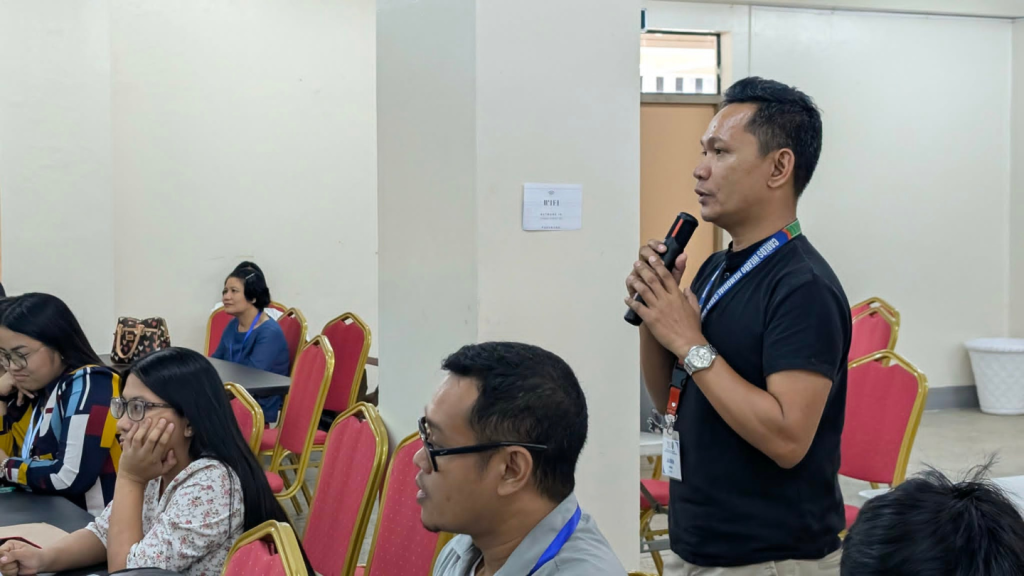
“Pedagogical translanguaging is a call for all teachers — not only those teaching language, but also those in other disciplines — to become advocates of this approach,” said Marites Javelona, Accreditation Officer at CSA-B, who also teaches language at the college level.
For Prof. Rosana Lorio of ISAT-U’s College of Arts and Sciences, translanguaging as a pedagogy is important because it transforms multilingualism from a problem into a resource for learning. “By valuing students’ linguistic backgrounds, it promotes deeper understanding, inclusivity, confidence, and more effective language and content learning,” Lorio said.
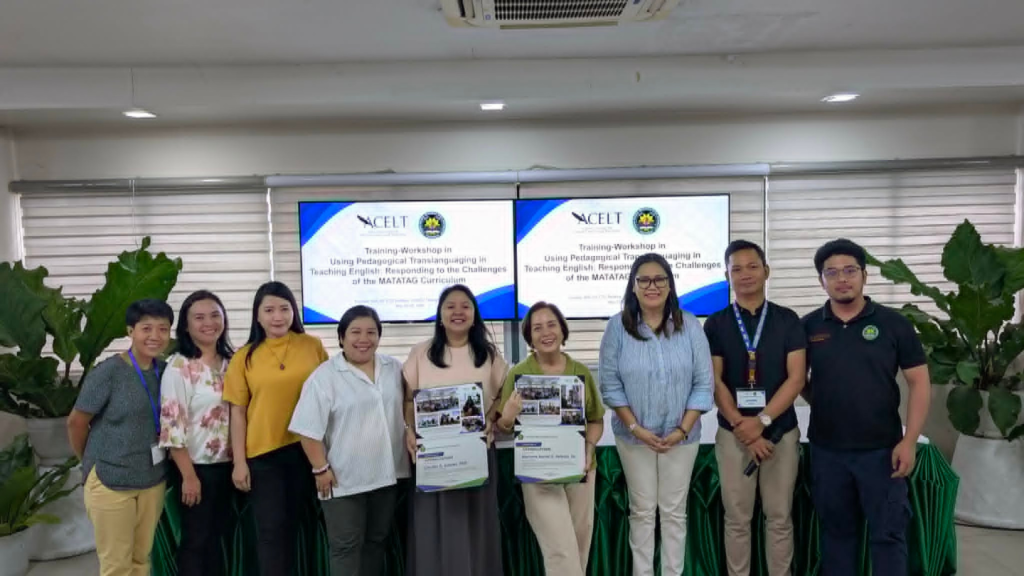
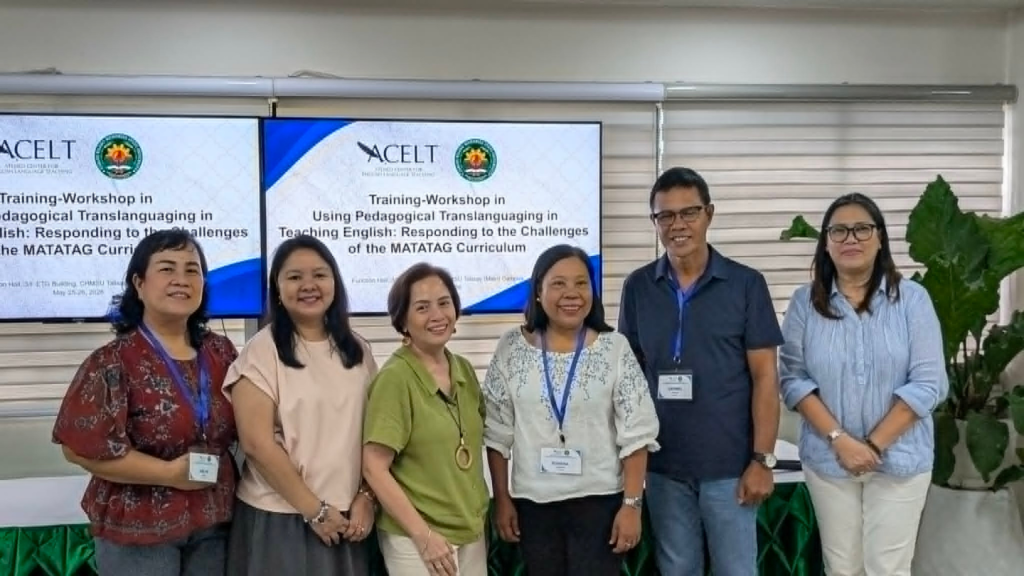
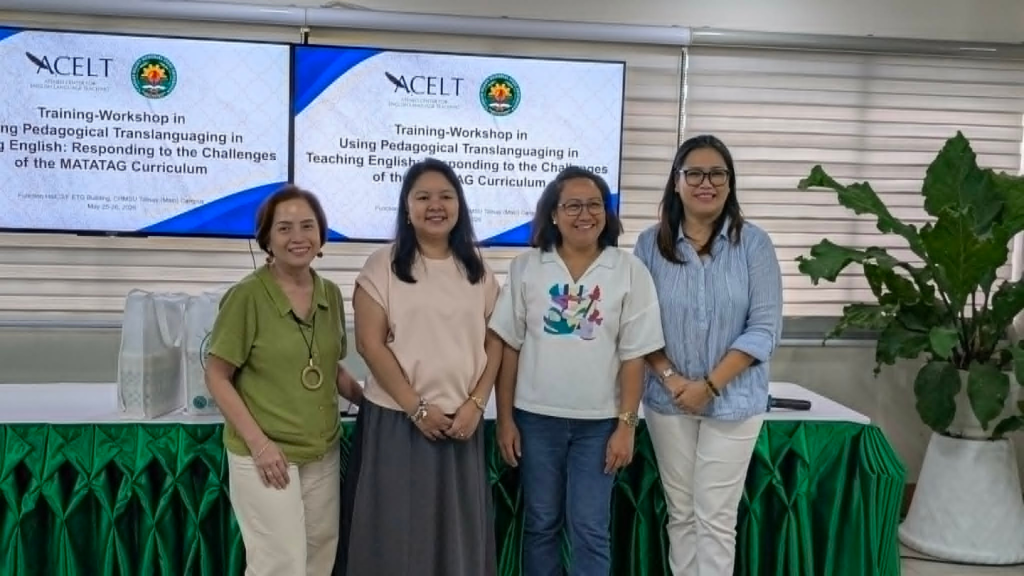
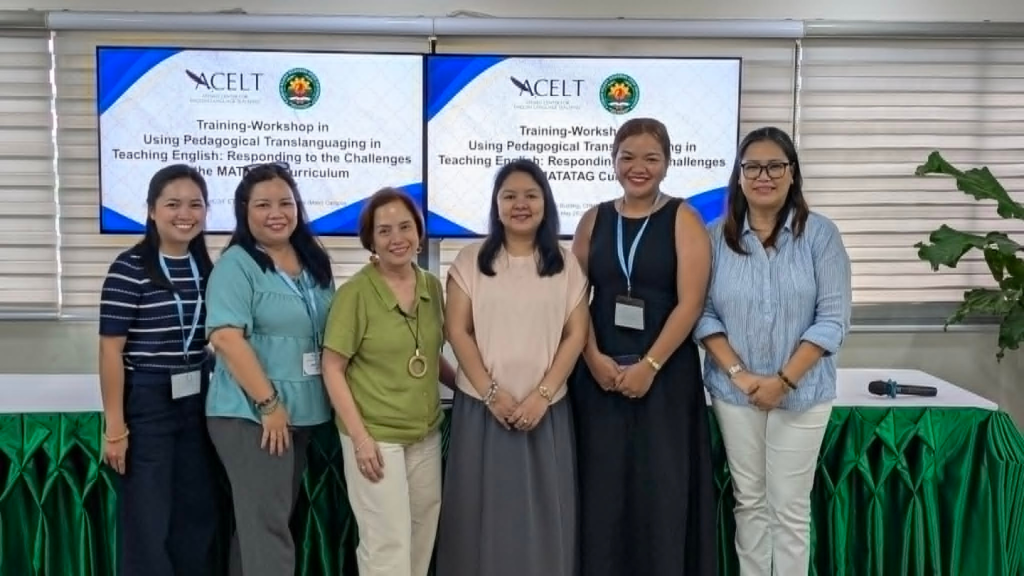
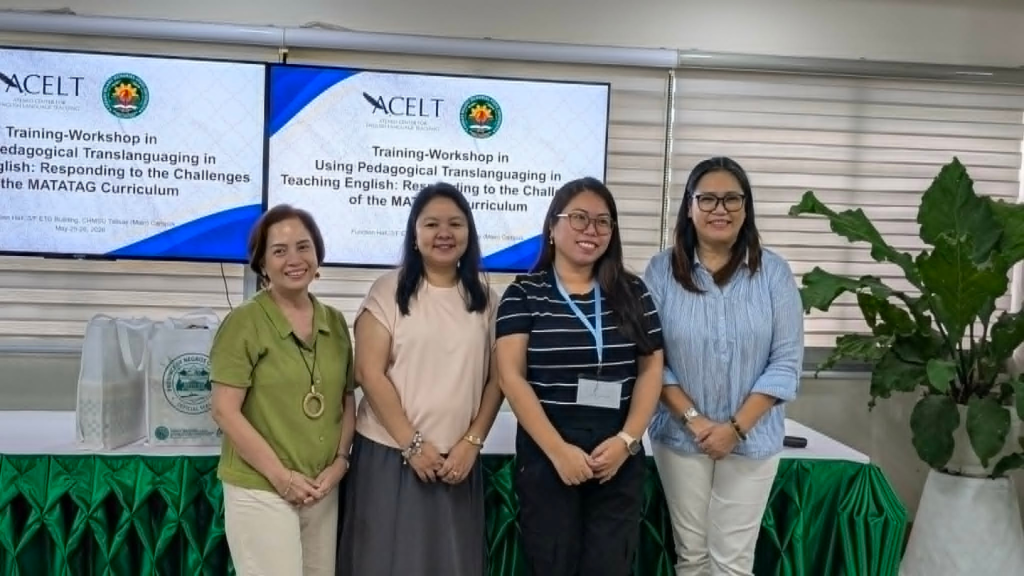
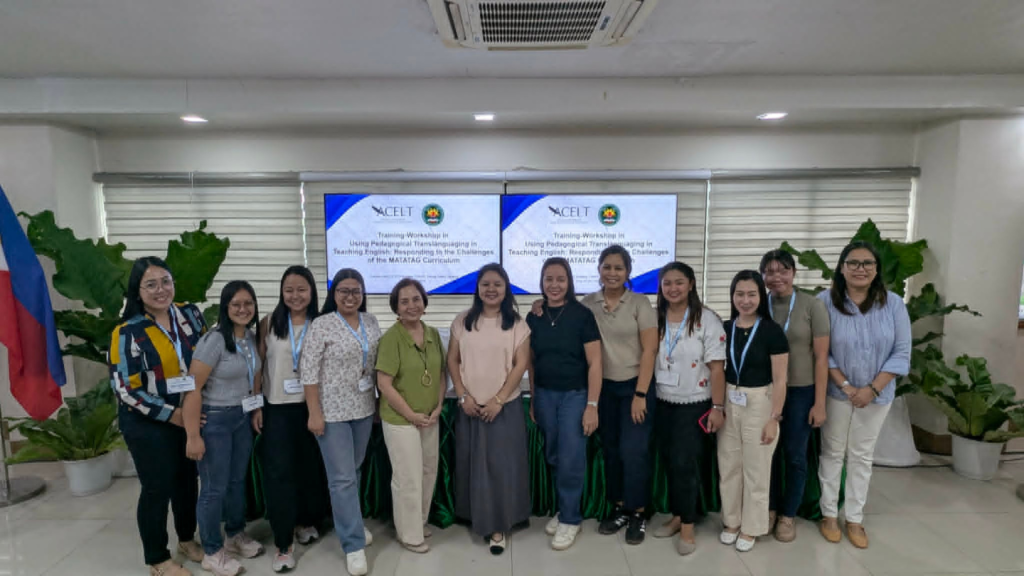
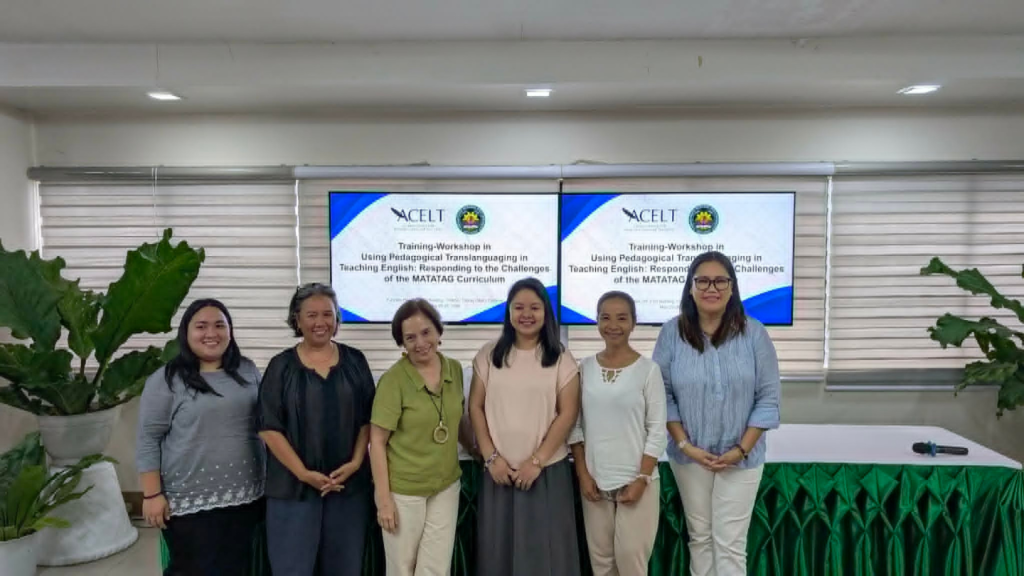
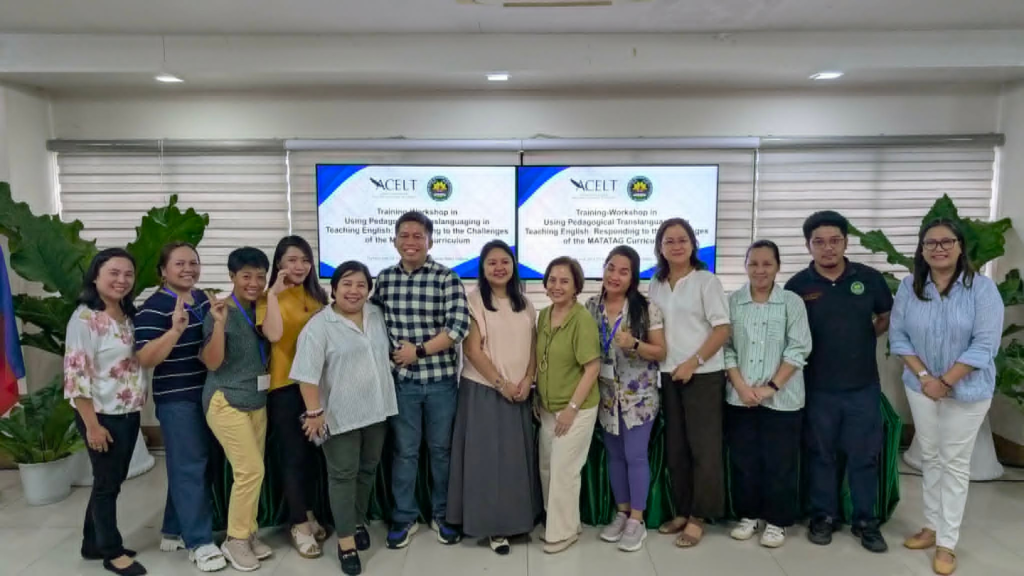
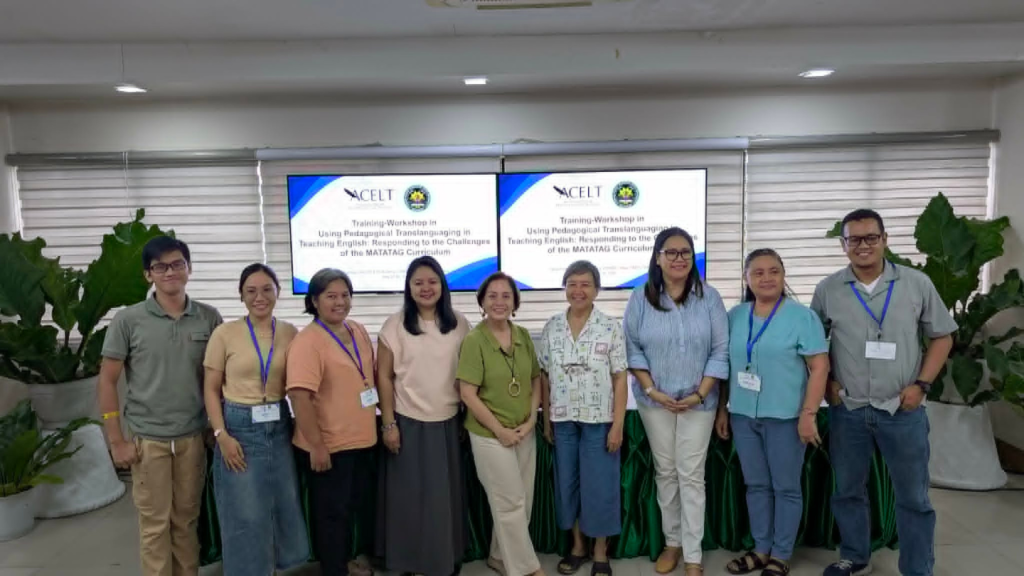
CIER photos
Nihongo language instructor Danielle Hannah Malitao of the University of the Cordilleras reflected that teachers in the Philippines have long been using translanguaging in their classes. However, by incorporating pedagogy into translanguaging, she said she “can help students use their mother tongue in supporting their Japanese language learning.”
Malitao added that she looks forward to creating more culturally grounded and locally relevant instructional materials using the concepts and skills gained during the two-day workshop.
Meanwhile, Kristine Dawn Rojo, an English Language teacher at Bacolod Trinity Christian School, described the workshop as a life-changing experience. “My perspectives on English language teaching have shifted. I always believed that only English should be used when teaching the language, but I now realize that using students’ native language is important in learning, too.”
In her closing message, BA English Language Program Chair Ruth Nemenzo thanked participants for attending and invited them to collaborate with CHMSU on future initiatives.
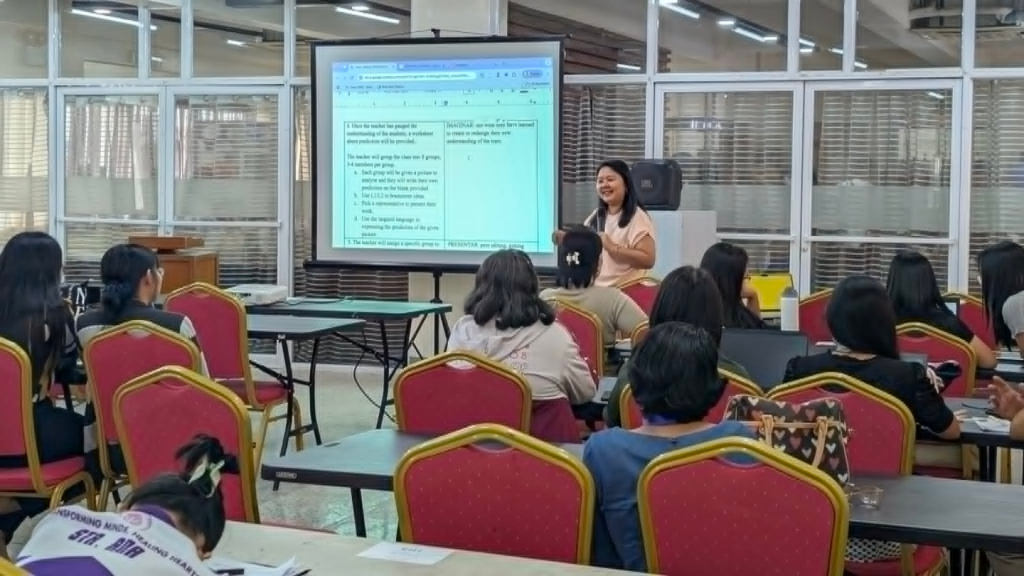
CIER photos